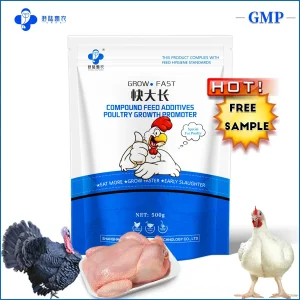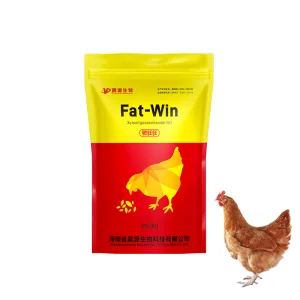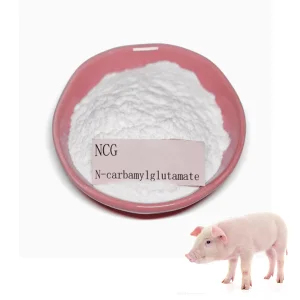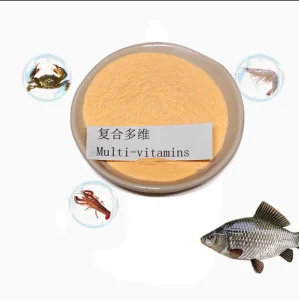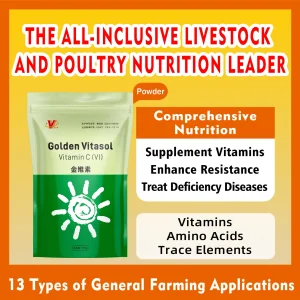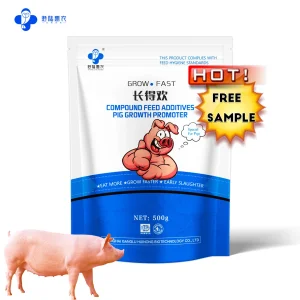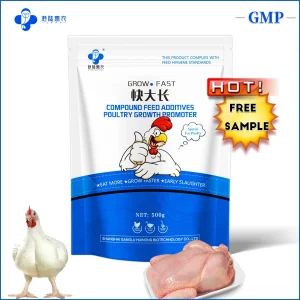
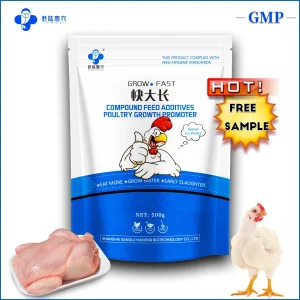
The state of São Paulo stands as the economic engine of Brazil and a crucial hub for the country’s world-leading poultry integration sector. While the southern states represent the highest slaughter volume, São Paulo drives nutritional research, regulatory protocols (established by MAPA), logistics optimization through the Port of Santos, and advanced veterinary medicine deployment. As global consumer markets demand the elimination of Antibiotic Growth Promoters (AGPs), São Paulo's leading poultry integrators are rapidly shifting toward bio-secure, non-antibiotic feed solutions that maintain Feed Conversion Ratio (FCR) targets under sub-tropical climatic conditions.
Modern aviculture in regions like Campinas, Bastos (the egg capital of Brazil), and Sorocaba demands highly stable growth promoters that can withstand high-temperature pelleting and long storage cycles. Our specialized amino acid blends, probiotics, and gut-integrity regulators are precisely formulated to meet these local conditions. They allow integrators to achieve consistent body weight gain (BWG) while enhancing the flock's natural defenses against pathogens like Salmonella and Clostridium perfringens.
Zhengzhou Treo Nutrition Co., Ltd., with over 20 years of industry experience, is committed to delivering innovative, efficient, and sustainable nutrition solutions for both animal husbandry and modern agriculture. Leveraging deep technical expertise and continuous research, the company has established a strong foundation in the field of animal nutrition. We specialize in high-quality feed ingredients and additives such as Corn Gluten Meal 60%, Mycoprotein 70%, and Rice Protein Powder 70%, which are widely recognized for their stable quality, high nutritional value, and cost-effectiveness. Through scientific formulation and strict quality control, we help customers improve feed efficiency, animal health, and overall productivity.
In response to the increasing global demand for sustainable agricultural practices, Treo Nutrition has strategically expanded its business scope into crop nutrition and soil health management. Our diversified product portfolio now includes CSL Powder 42%, Organic NPK Fertilizers, soil conditioners, and tailor-made nutrient solutions. These products are designed to enhance soil structure, increase nutrient availability, boost crop resilience, and ultimately improve yield and quality, while reducing environmental impact.
To better serve international markets, the company operates offices in Zhengzhou and Hong Kong, supported by multiple modern production facilities located in Shandong, Hebei, and Jiangsu. With a well-integrated supply chain and advanced manufacturing processes, we ensure consistent product quality, reliable supply, competitive pricing, and timely global delivery. Our logistics and service teams work closely with partners worldwide to provide flexible and customized solutions. Guided by quality, innovation, and client focus, we build long-term partnerships globally, supporting efficient, eco-friendly farming systems.
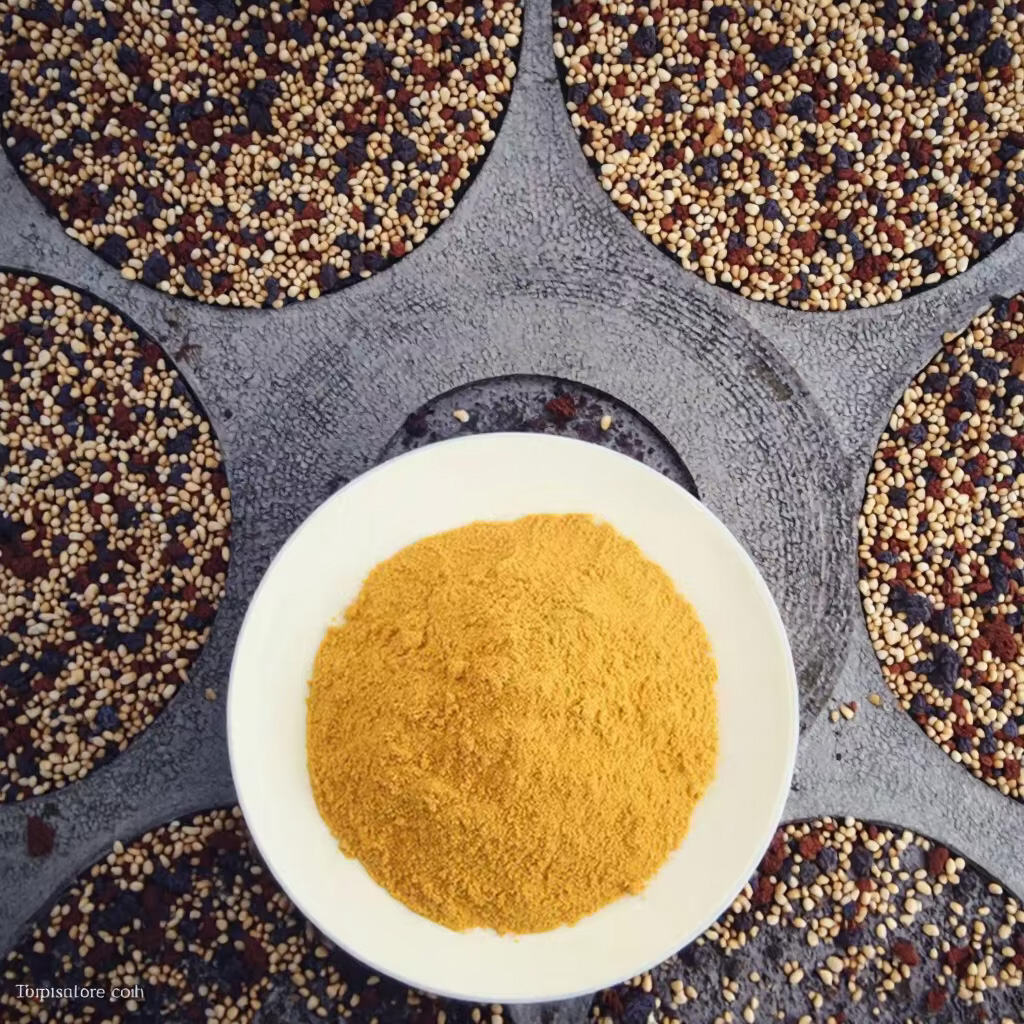
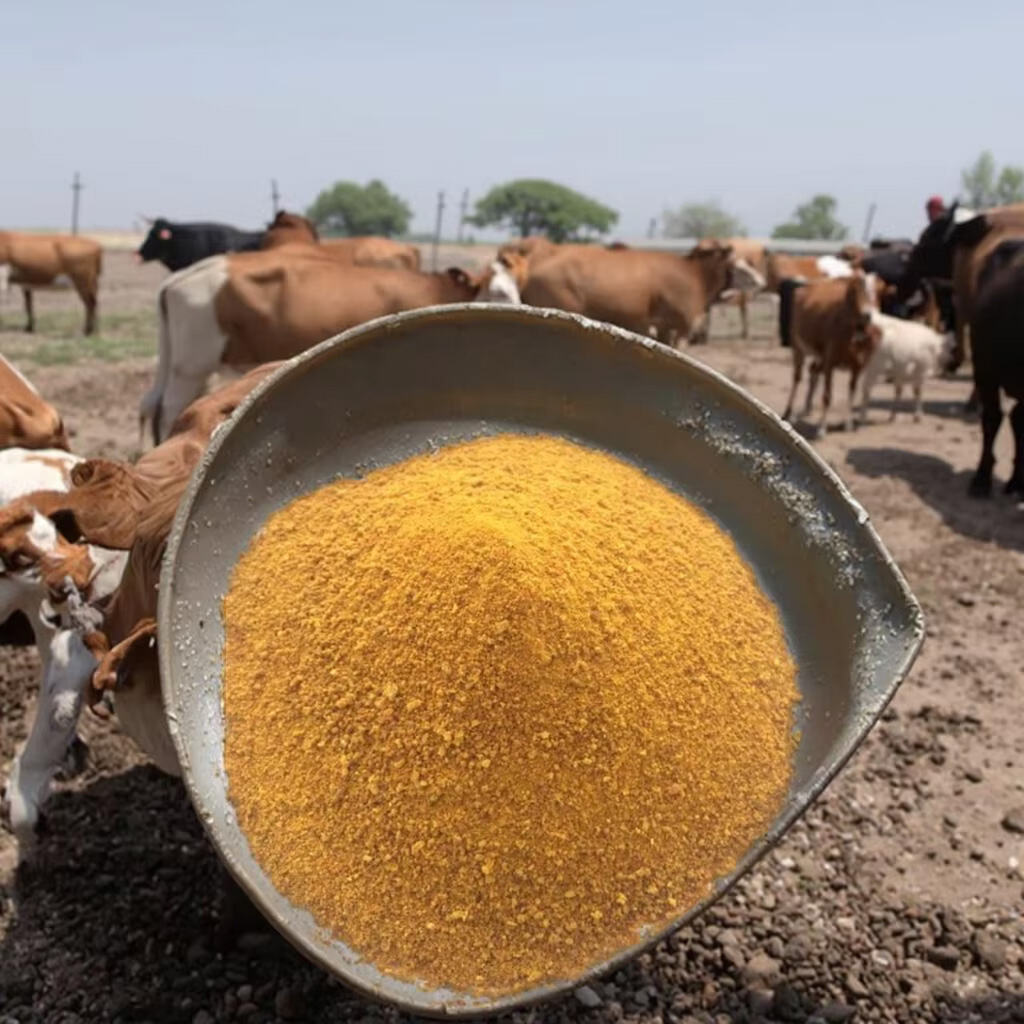
Our intelligent manufacturing lines utilize advanced automation, precise raw material dosing, and multi-stage testing. Here is a step-by-step breakdown of how we produce stable, bio-secure growth promoters exported to São Paulo port hubs.
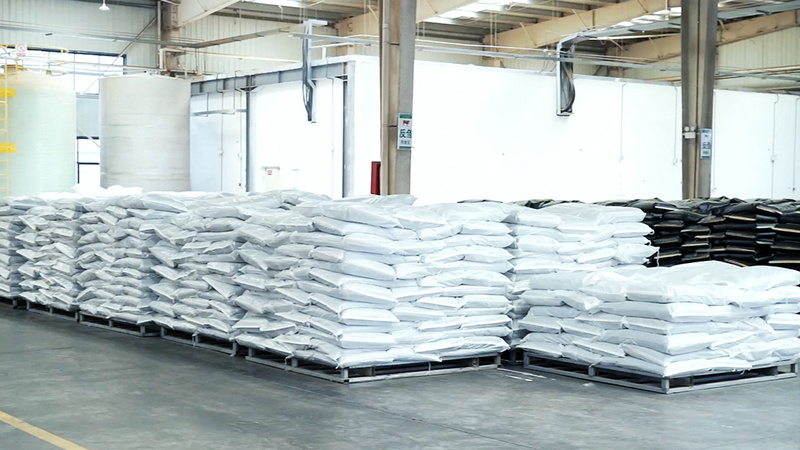
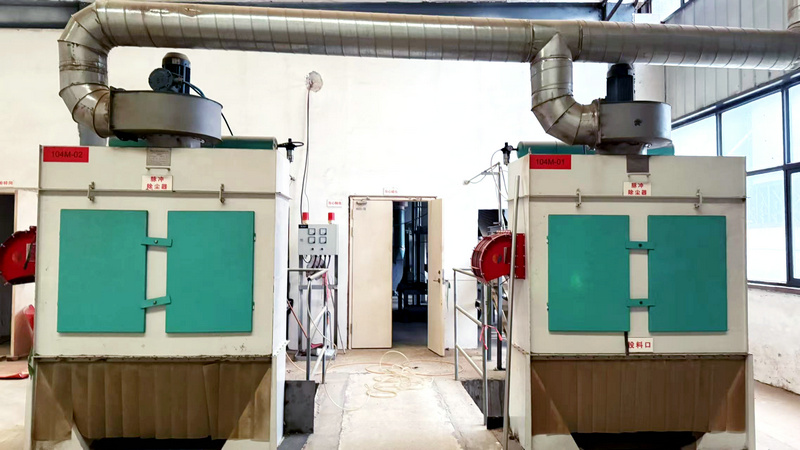

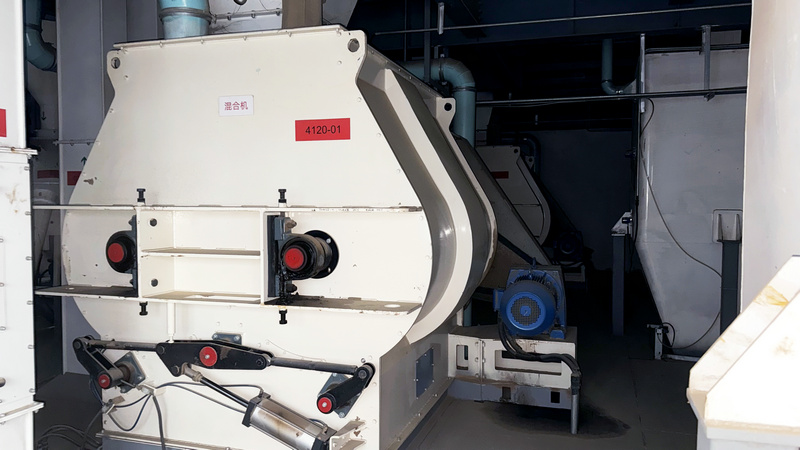

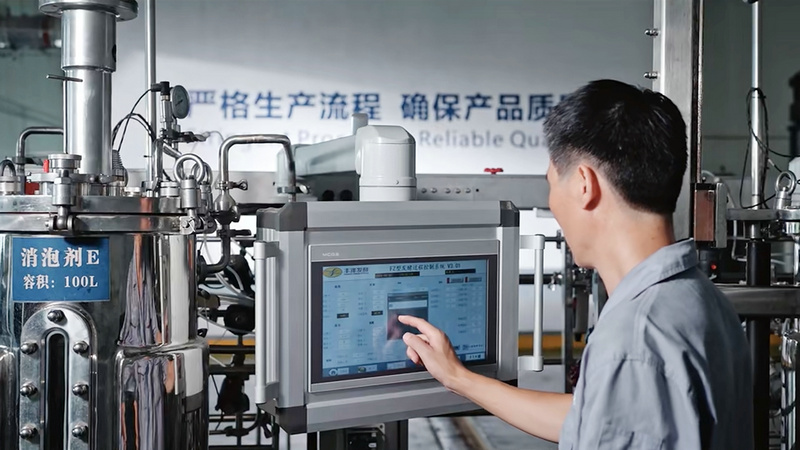
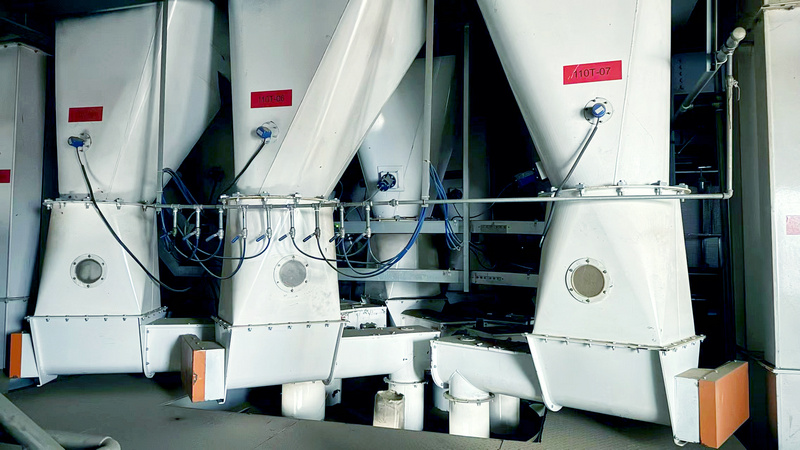

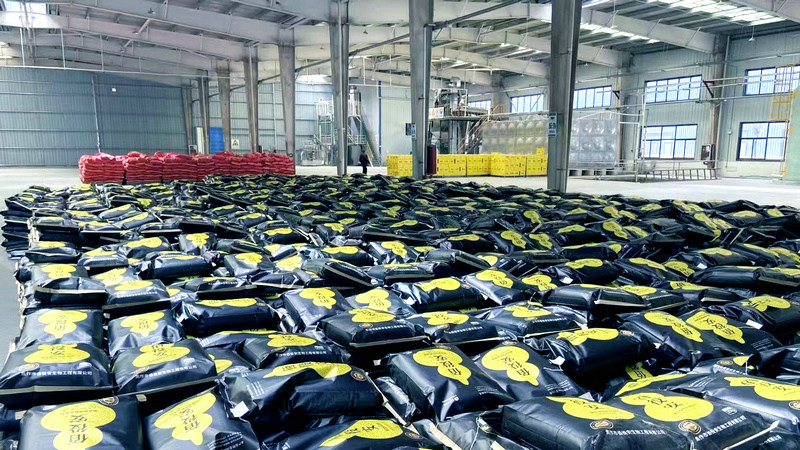
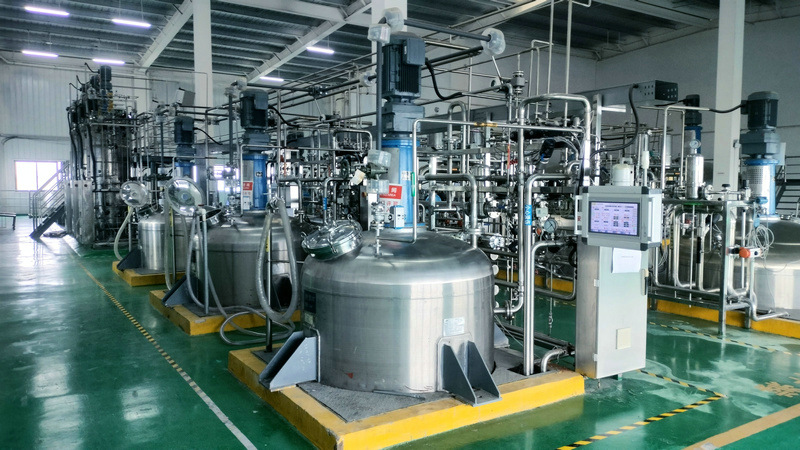
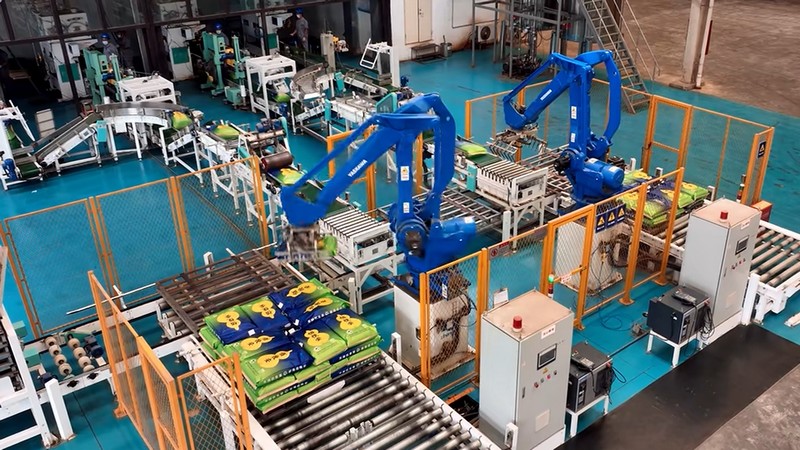

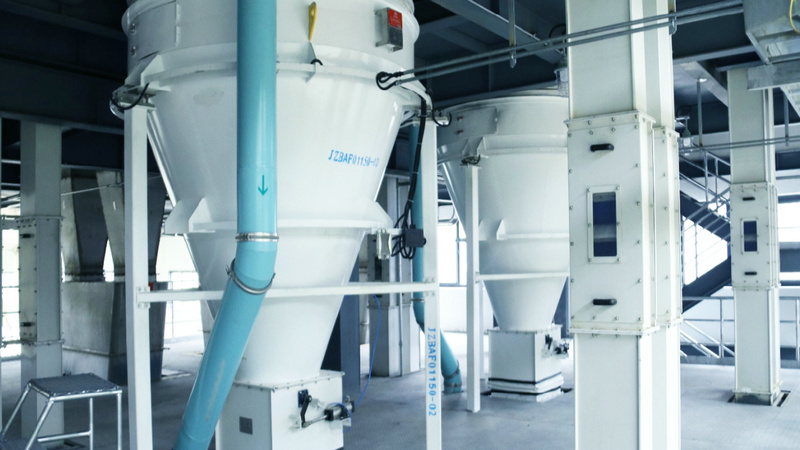
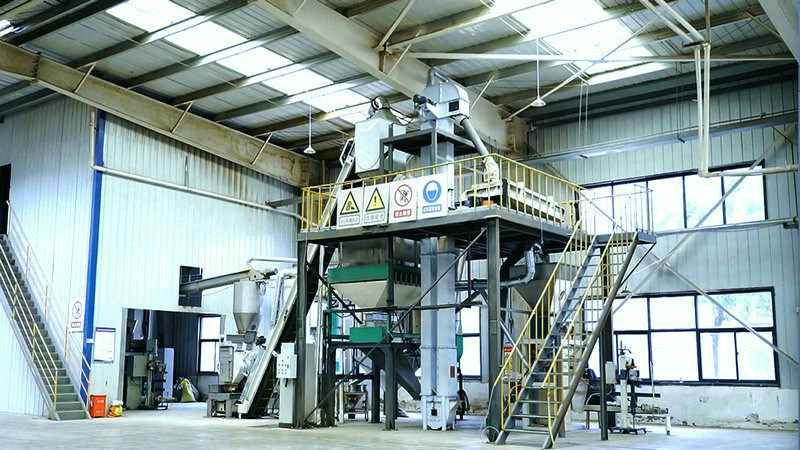
ISO9001, FAMI-QS & SGS Certified manufacturing standards.
During the humid summer months in western São Paulo, heat stress compromises the intestinal integrity of broilers. The tight junctions of the gut wall open, leading to systemic inflammation and poor absorption of dietary nutrients. By supplementing specialized L-Lysine, Probiotics, and organic acids, we stabilize the gut flora, maintain villi height, and ensure optimal weight gain despite high temperatures.
With Brazilian exporters targeting European and Middle Eastern markets, compliance with antibiotic restrictions is critical. Our non-pathogenic probiotics (such as Bacillus subtilis and Lactobacillus species) act through competitive exclusion, preventing colonization of pathogens like Salmonella enteritidis, ensuring clean birds and trouble-free customs clearances.
Rising prices for corn and soybean meal require maximum dietary utilization. Adding mycoproteins, rice protein powder, and concentrated enzymes unlocks anti-nutritional factors and improves the digestibility of vegetable proteins. This allows feed mills to lower dietary formulation costs without affecting slaughter weight targets.
Under warm and humid conditions, the most effective strategy is a combination of direct-fed microbials (probiotics), organic acids, and highly bioavailable crystalline amino acids. Probiotics like Bacillus subtilis and Bacillus licheniformis form stable endospores that survive the conditioning and pelleting temperatures of commercial feed mills. These beneficial bacteria establish a robust microbial barrier, prevent dysbiosis, and promote optimal intestinal morphological development, ensuring consistent daily weight gain without relying on synthetic antibiotics.
L-Lysine HCl 98.5% is a highly concentrated source of pure lysine, while L-Lysine Sulfate 70% contains both lysine and other essential fermentation by-products, including sulfur and other amino acids. L-Lysine Sulfate is highly cost-effective and provides additional sulfate ions that participate in key biological pathways, making it popular for standard broiler diets. For high-density premium pre-starters, L-Lysine HCl is often chosen due to its high purity and minimal contribution to feed volume, allowing more flexibility in high-density formulation matrices.
All animal feed ingredients and growth boosters exported to São Paulo undergo strict quality checks. We provide complete documentation, including certificates of analysis (COA), heavy metal assays, microbiological screening, and raw material traceability reports. Our manufacturing plants operate under FAMI-QS and ISO standards, ensuring seamless customs clearance at the Port of Santos and full compliance with MAPA regulatory requirements.
Integrating Mycoprotein 70% and Rice Protein Powder 70% provides a highly digestible amino acid profile that reduces dependency on volatile commodities like fishmeal or high-cost soybean meal concentrates. Mycoprotein also contains beta-glucans and mannan-oligosaccharides, which act as prebiotic agents, improving gut health and lowering the overall cost per kilogram of meat produced.
 Treo Nutrition