Precision-engineered trace mineral complexes and organic feed additives designed for optimum bioavailability, serving the Delaware Valley's agricultural hubs, local livestock feeds, and urban farming industries.
Send Inquiry NowAdvanced bio-nutrient complexes selected for peak efficacy in Mid-Atlantic environments and localized operations in Philadelphia.
Trace minerals such as Zinc, Copper, Manganese, Iron, and Selenium are structurally necessary for cellular enzyme activation, tissue repair, immune function, and optimal genetic expression in both crop botany and animal physiology. Traditional inorganic mineral salts (e.g., sulfates, oxides, carbonates) present poor overall bioavailability. When dissolved in aqueous environments like soil solutions or the gastrointestinal tracts of animals, these inorganic complexes dissociate into free ions. These ions readily bind to dietary antagonists (such as phytic acid, oxalates, fibers, and phosphates) or compete mutually for absorption pathway transporters, leading to significant nutrient excretion and environmental runoff.
Chelated minerals solve this physiological bottleneck. By chemically bonding a divalent metal ion to organic ligands—primarily amino acids (such as glycine, methionine), peptides, or organic acids—a stable heterocyclic ring configuration is established. This chelation shield protects the core mineral from chemical antagonisms and premature precipitation. Because the mineral is absorbed via active peptide or amino acid transport pathways rather than competitive metal ion channels, the physiological uptake efficiency is dramatically increased.
"Through custom-engineered chelation constants, Zhengzhou Treo Nutrition Co., Ltd. produces organic trace mineral complexes that achieve a higher stability index at low stomach pH, enabling reliable transport to the small intestine where maximum uptake occurs. Our formulations dramatically reduce supplemental waste."
Philadelphia and the broader Delaware Valley region present a unique combination of commercial agriculture and pioneering urban food systems. The surrounding dairy belt in Lancaster and Chester counties represents a highly concentrated market for precision animal nutrition. These operations face strict environmental regulations regarding phosphorus, nitrogen, and heavy metal excretions into local watersheds, including the Delaware and Susquehanna River basins. By utilizing high-bioavailability chelated minerals, local livestock operations can maintain peak health, milk production, and hoof integrity while drastically lowering the overall mineral load excreted into the regional soil.
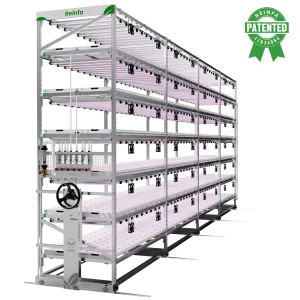
Simultaneously, Philadelphia has become a northeast center for urban indoor hydroponic cultivation, plant factories, and vertical farming. These facilities demand specialized, highly water-soluble mineral chelates (such as EDTA, DTPA, or amino acid complexes) to prevent mineral lock-out and precipitation in closed-loop recirculating irrigation networks.
Globally, the animal nutrition and specialty agricultural industries are undergoing a massive transition from traditional inorganic mineral salts to advanced organic chelates. Driven by strict regulatory policies regarding soil pollution (particularly in Western Europe and North America) and the rising demand for antibiotic-free livestock production, growers are seeking highly efficient feed ingredients to maintain herd performance. Concurrently, global topsoil depletion has accelerated the demand for highly bioavailable soil conditioners and bio-stimulants to sustain global crop yields amidst climate volatility.
For procurement directors in Philadelphia and globally, securing a reliable, consistent, and cost-effective supply chain for these high-grade ingredients is paramount. Disruptions in global freight lanes, changing port dynamics, and the high cost of local Western manufacturing have forced enterprises to re-evaluate their sourcing strategies. A diversified approach—partnering with manufacturers that control the raw materials, possess advanced biological production infrastructure, and operate robust logistics hubs—has emerged as the gold standard for global supply chain resilience.
| Mineral Complex Class | Ligand Source | Primary Localized Application | Stability Constant (pH Range) |
|---|---|---|---|
| Metal Amino Acid Chelates | Glycine / Methionine / Hydrolyzed Protein | Livestock feeds, premixes, aquaculture immunity enhancers | 3.0 - 7.5 (High GI stability) |
| Organic Acid Complexes | Citric Acid, Fulvic Acid, Humic Acid | Soil conditioning, turf remineralization, foliar sprays | 4.5 - 8.0 (Soil solution stability) |
| Synthetic Polycarboxylic Chelates | EDTA / DTPA / EDDHA | Hydroponics, vertical farming, DWC nutrient reservoirs | 1.5 - 10.0 (Extremely stable in water) |
Zhengzhou Treo Nutrition Co., Ltd., with over 20 years of dedicated industry experience, stands as a premier manufacturer and global exporter of high-grade animal nutrition and agricultural solutions. We specialize in producing foundational feed ingredients and premium protein alternatives—including Corn Gluten Meal 60%, Mycoprotein 70%, and Rice Protein Powder 70%—known for their nutritional density and stability. By leveraging these core protein sources, we develop next-generation amino acid-chelates that deliver unparalleled bioavailability.
Our operational architecture is designed to deliver significant value to our international partners:
Industrial purchasing departments must look beyond unit costs. Sourcing bio-available chelated minerals requires a validation of the ligand-to-metal ratio, the verification of molecular size (under 800 Daltons for optimum intestinal passage), and the absolute absence of heavy metal contaminants. Our state-of-the-art facilities run continuous chromatography and atomic absorption spectroscopy tests to ensure every batch exported to Philadelphia meets or exceeds USDA and EPA standards.
Additionally, our integrated supply chain model reduces energy use and transportation overhead during production. By choosing Treo Nutrition, buyers receive premium, science-backed solutions that support their corporate sustainability goals.
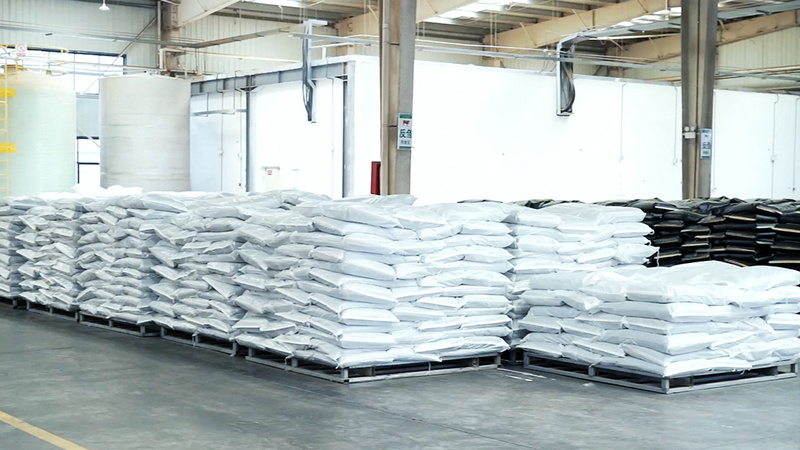
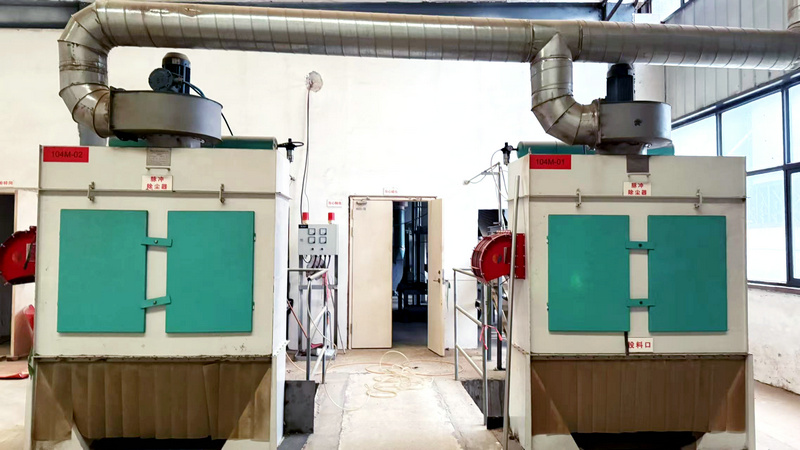
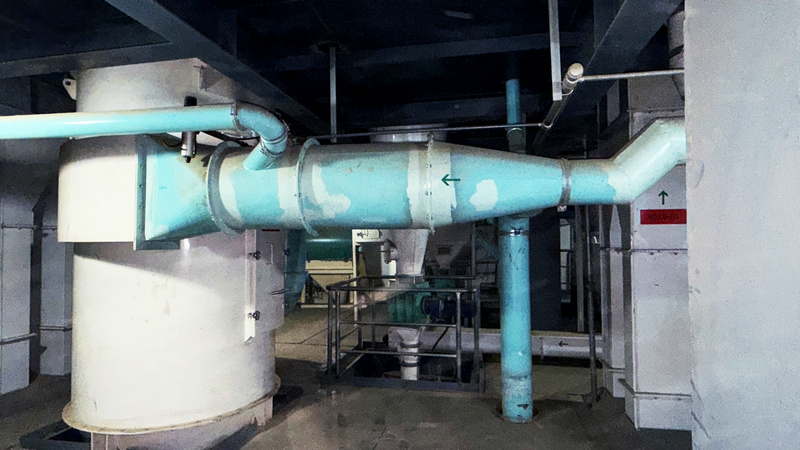
A step-by-step look at how our integrated factories in China process raw materials into high-purity, bio-available chelated mineral products.
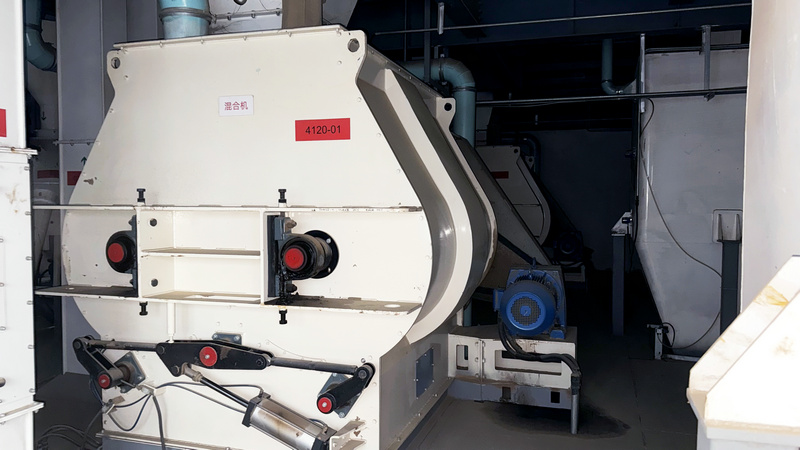
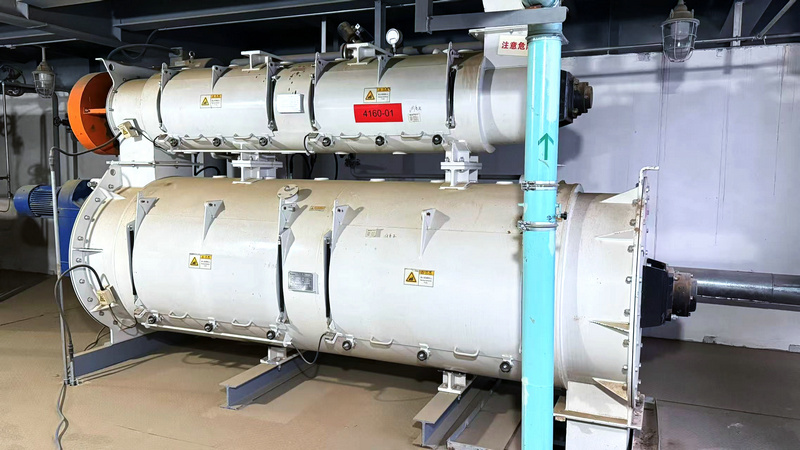
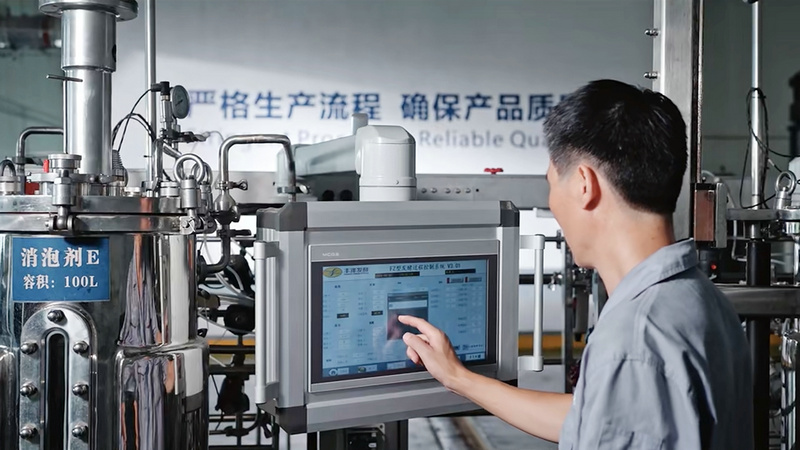
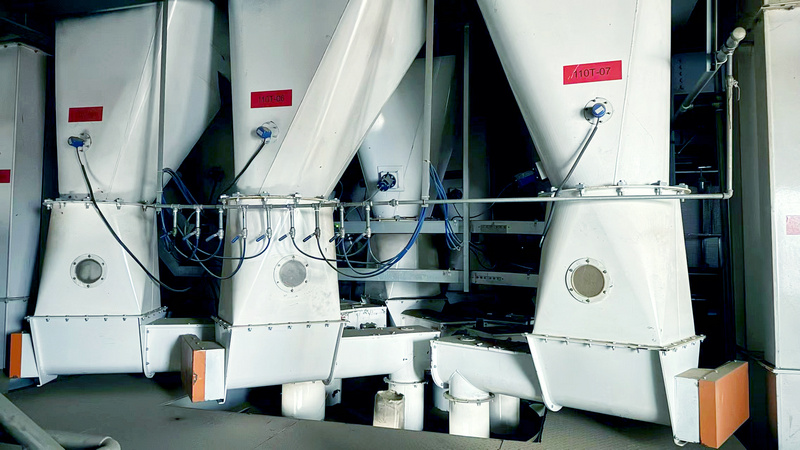
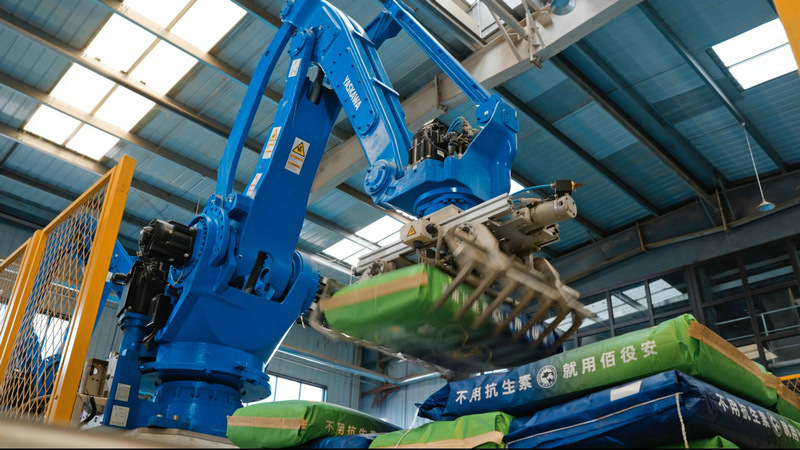
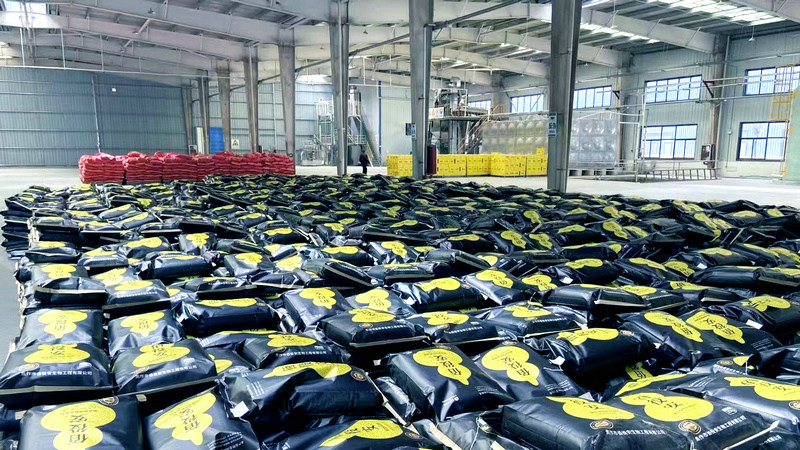
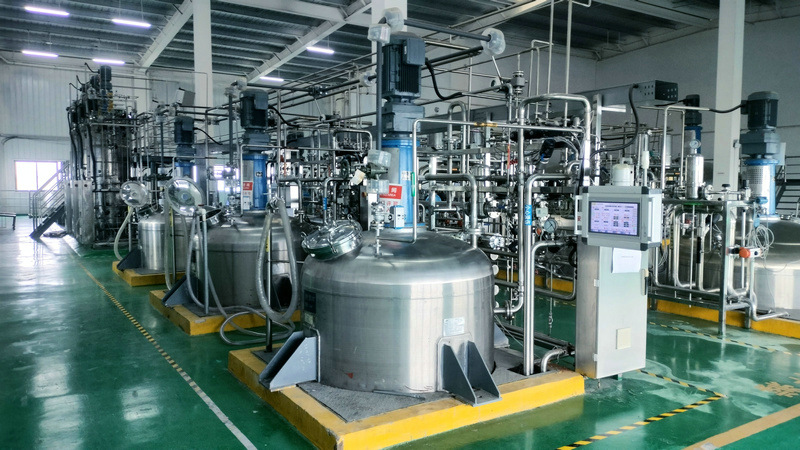
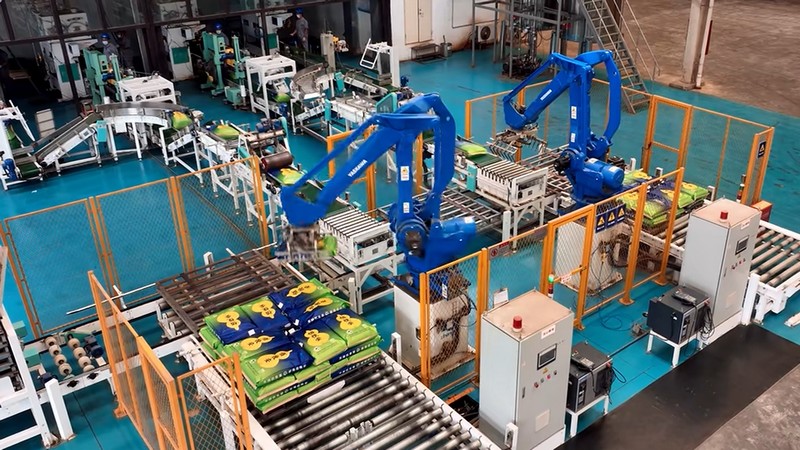
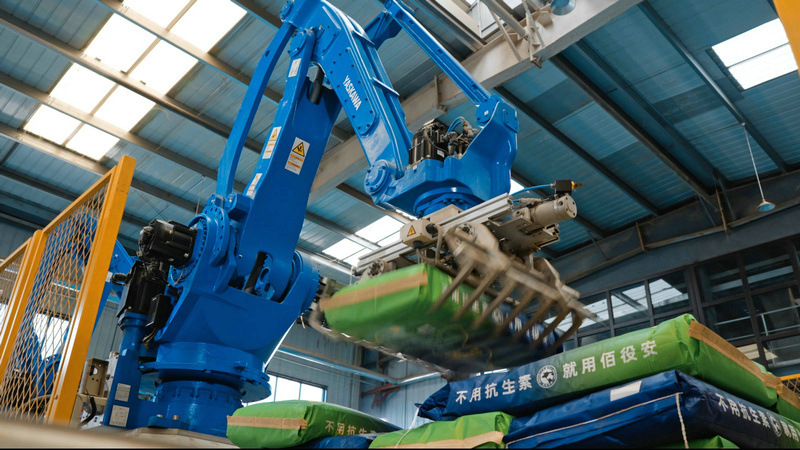
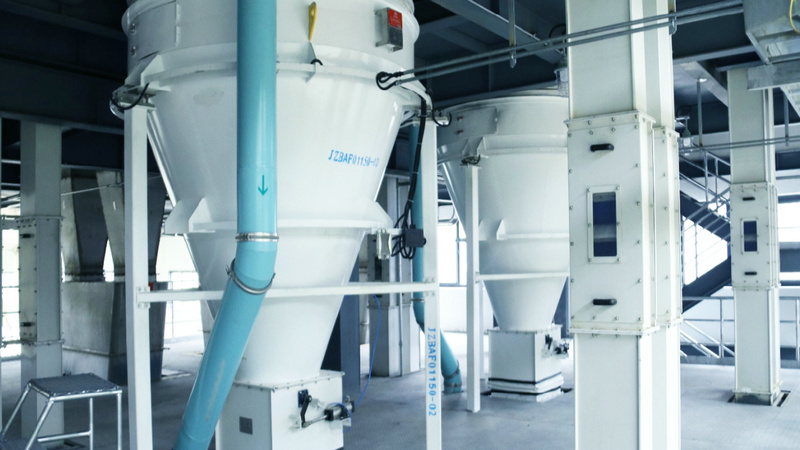
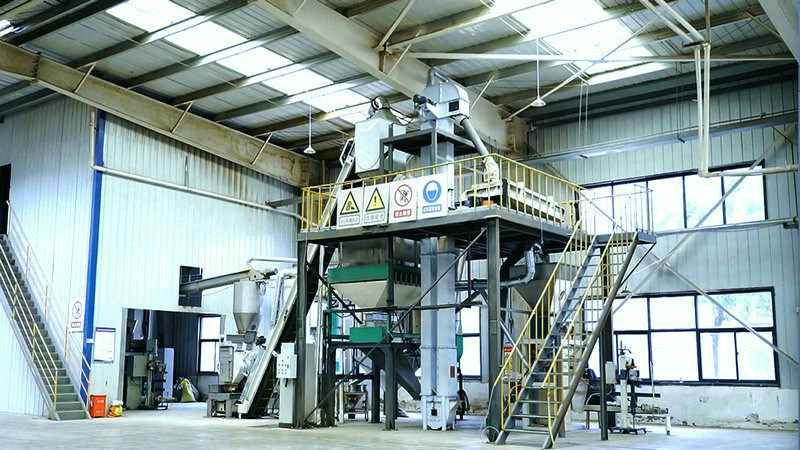
Understanding local agricultural and environmental regulations is essential for successful mineral application in the Mid-Atlantic. Treo Nutrition’s product lines are designed to address the specific soil structures, crop requirements, and livestock demands of the region:
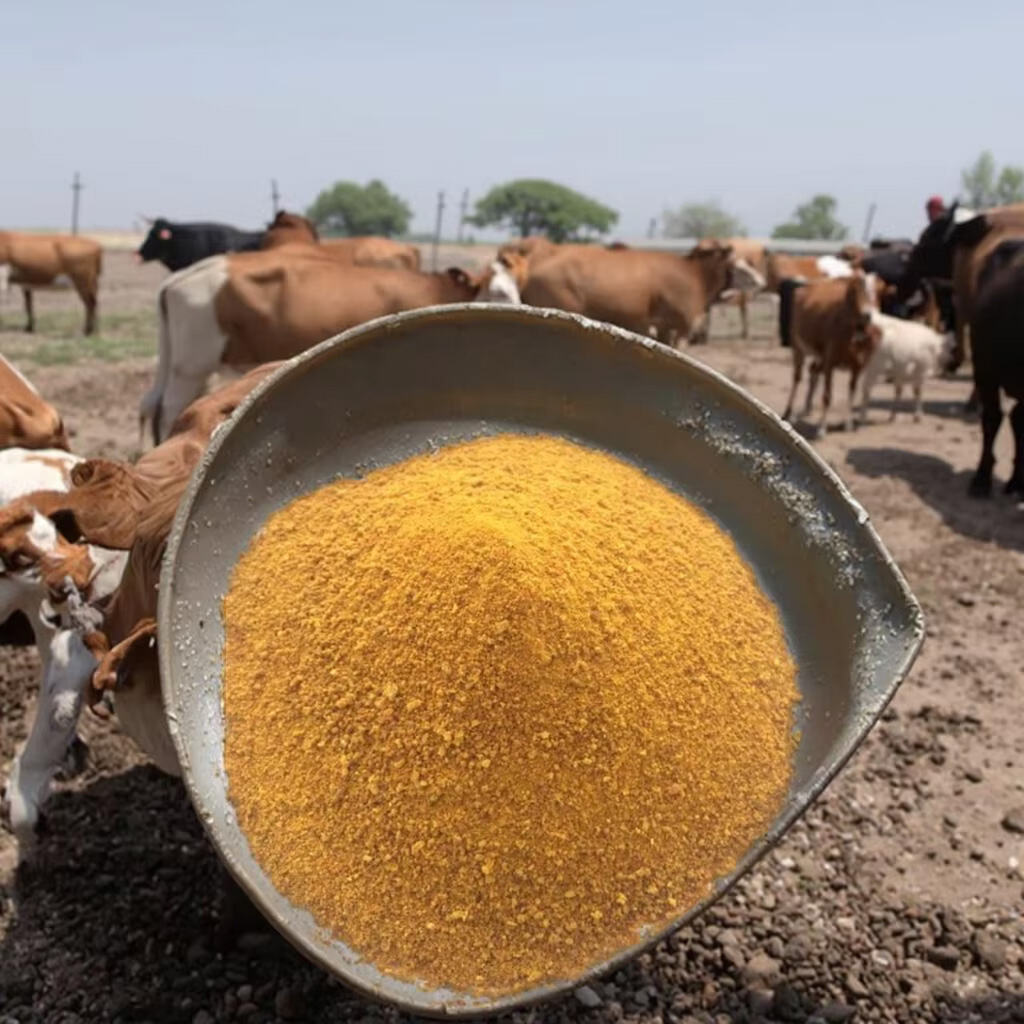
Dairy herds in southeastern Pennsylvania are highly optimized for milk output and components. Standard inorganic minerals are poorly absorbed and can irritate the digestive tract, potentially leading to hoof lesions and decreased milk production. By transitioning to organic metal glycinates and methionine complexes, dairy producers can improve hoof keratinization and somatic cell scores. Additionally, because organic chelates are highly absorbable, total mineral concentration in the feed can be reduced, lowering heavy metal concentrations in manure and helping farms meet strict local environmental targets.
Urban vertical farms require mineral supplements that remain completely soluble in water. Inorganic salts frequently react with carbonates in municipal city water, forming insoluble compounds that clog irrigation emitters and cause nutrient deficiencies. Our highly pure organic acid chelates and stable synthetic chelators are designed to remain fully soluble at a wide range of pH and temperature conditions, helping indoor growers achieve optimal growth rates and crop quality.
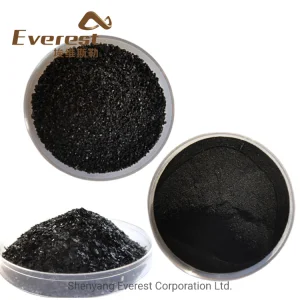
Urban parks, landscape projects, and golf courses in the Delaware Valley require humates and soil conditioners to repair compacted urban soils. Our bio-fertilizers and potassium humate soil conditioners help restore soil structure, increase water retention, and unlock bound nutrients, promoting deep root development and long-term soil health.
In-depth, technical answers to common questions regarding organic trace minerals, procurement processes, and international shipping.
Explore our complete range of trace minerals, feed additives, and soil management products designed to support sustainable agriculture.
 Treo Nutrition