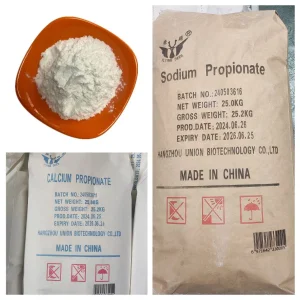
Designed for immediate integration into the agricultural processing, feed manufacturing, and hydroponics hubs of Detroit and the Great Lakes Basin.
The Detroit metropolitan area and the broader state of Michigan present a highly specialized agricultural and industrial landscape. Historically known as an automotive powerhouse, Detroit is currently undergoing a massive green transformation. The revitalization of urban vacant land has spurred a robust urban farming movement, while the surrounding Southeastern Michigan counties remain focal hubs for premium livestock production, dairy farming, and equine breeding. For these enterprises, traditional inorganic minerals (such as oxides and sulfates) fall short of modern metabolic demands due to low bioavailability, mineral antagonism, and environmental leaching concerns.
Because glacial till soils across the Great Lakes Basin naturally exhibit significant disparities in trace elements—specifically under-supplying selenium, copper, and zinc—livestock and crop producers face hidden productivity drains. The introduction of bio-available chelated minerals addresses this at the cellular level. By binding metal ions to organic ligands (typically amino acids or organic acids), chelated minerals remain stable through the highly acidic stomach or acidic soil barriers, maximizing absorption in the jejunum or root systems respectively.
From the Port of Detroit's inland waterway access to intermodal rail connections across the Midwest, sourcing high-efficiency ingredients from a reliable factory is critical. Detroit feed mills, crop blenders, and urban vertical farms require a resilient global pipeline capable of delivering precision-engineered chelated trace elements that reduce inputs and optimize overall biological yields.
Bioavailability Ratio
Trace Metal Excretion
Manufacturing Expertise
Certified Standards
True organic chelation is a thermodynamic process that requires deep scientific precision. The stability constant ($K_f$) of a chelate dictates how well the mineral is protected from reacting with antagonists like phytates, phosphates, or carbonates in the digestive tract. At our advanced factory, we control the pH, temperature, and stoichiometry of the reaction to ensure that minerals like Zinc, Copper, Manganese, and Iron are fully bound within heterocyclic ring structures with glycine, methionine, or hydrolyzed plant proteins.
| Mineral Source Type | Chemical Binding Mechanism | Stability in Acidic pH | Detroit Market Application Suitability | Absorption Pathway |
|---|---|---|---|---|
| Inorganic Salts (Sulfates/Oxides) | Weak Electrostatic Ionic Bonds | Dissociates completely, prone to antagonism | Low efficiency, high environmental leaching | Passive ion transport (easily saturated) |
| Amino Acid Chelates (Glycinates) | Covalent Coordinate Bonds | Extremely stable ($K_f$ 3.5 - 5.0) | High-performance swine, poultry & dairy feeds | Active peptide transport pathways |
| Lignosulfonates / Humates | Complex Macro-molecular Clathrates | Moderate to High Stability | Urban agriculture soil conditioning & horticulture | Root membrane uptake facilitation |
This technical superiority translates directly to cost-efficiency for industrial farmers in Michigan. For instance, when zinc glycinate is used instead of zinc oxide in piglet starters, feed conversion ratios (FCR) improve by up to 6.2% due to intact peptide-mediated absorption in the intestine. The environmental benefit is equally profound: reducing the concentration of heavy metals in manure run-offs, helping Detroit livestock operations comply with strict Great Lakes Watershed environmental regulations.
Zhengzhou Treo Nutrition Co., Ltd., with over 20 years of industry experience, is committed to delivering innovative, efficient, and sustainable nutrition solutions for both animal husbandry and modern agriculture. Leveraging deep technical expertise and continuous research, the company has established a strong foundation in the field of animal nutrition. We specialize in high-quality feed ingredients and additives such as Corn Gluten Meal 60%, Mycoprotein 70%, and Rice Protein Powder 70%, which are widely recognized for their stable quality, high nutritional value, and cost-effectiveness. Through scientific formulation and strict quality control, we help customers improve feed efficiency, animal health, and overall productivity.

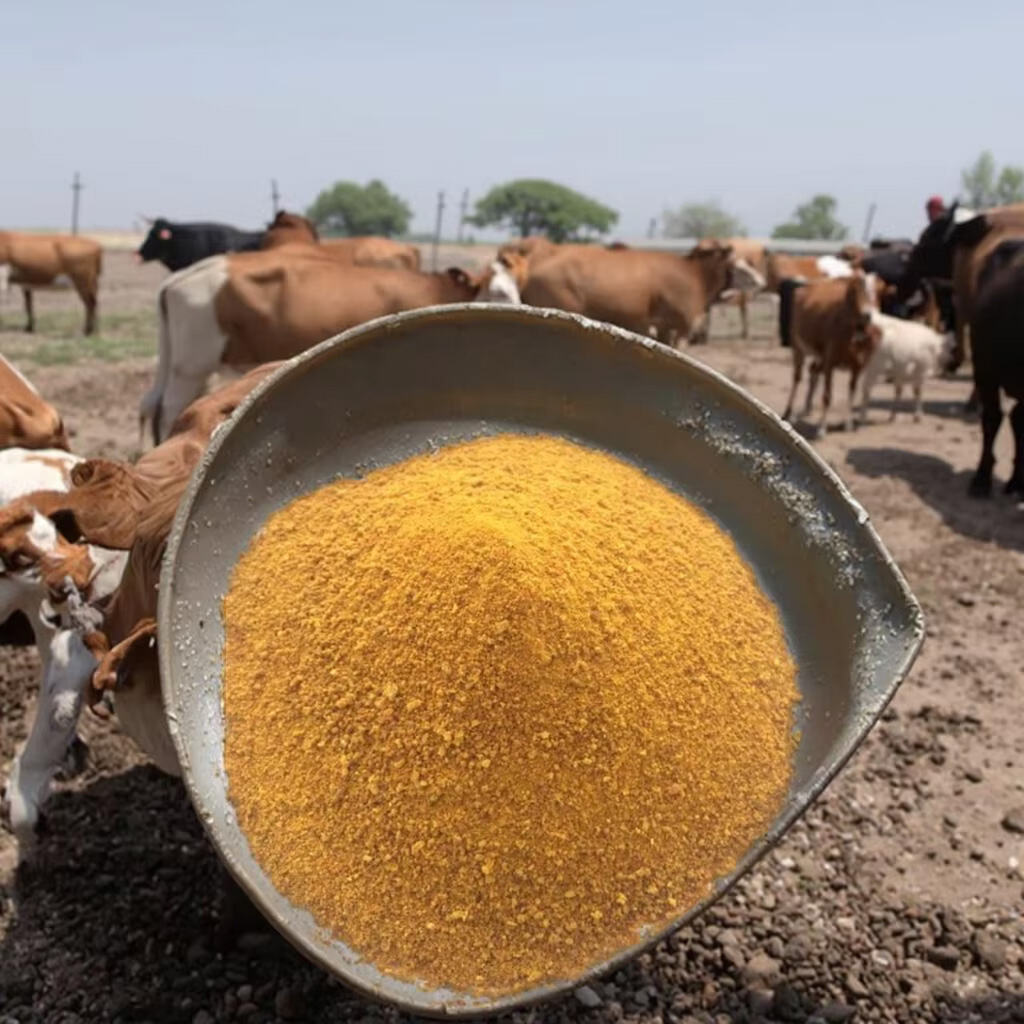
In response to the increasing global demand for sustainable agricultural practices, Treo Nutrition has strategically expanded its business scope into crop nutrition and soil health management. Our diversified product portfolio now includes CSL Powder 42%, Organic NPK Fertilizers, soil conditioners, and tailor-made nutrient solutions. These products are designed to enhance soil structure, increase nutrient availability, boost crop resilience, and ultimately improve yield and quality, while reducing environmental impact.
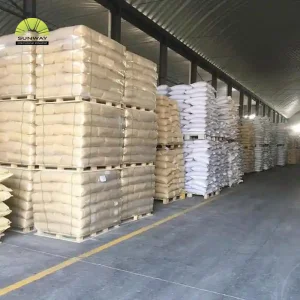
To better serve international markets, the company operates offices in Zhengzhou and Hong Kong, supported by multiple modern production facilities located in Shandong, Hebei, and Jiangsu. With a well-integrated supply chain and advanced manufacturing processes, we ensure consistent product quality, reliable supply, competitive pricing, and timely global delivery. Our logistics and service teams work closely with partners worldwide to provide flexible and customized solutions.
In addition, Treo Nutrition places strong emphasis on research and development, continuously investing in innovation to meet evolving market needs. We collaborate with industry experts and research institutions to develop next-generation nutritional products that align with global sustainability goals.
Driven by the core values of quality, integrity, innovation, and customer focus, Zhengzhou Treo Nutrition Co., Ltd. strives to build long-term partnerships with clients across the globe. We are dedicated to supporting the advancement of efficient, eco-friendly, and sustainable farming systems, contributing to a healthier food chain and a greener future for agriculture.
Our modern manufacturing lines in Shandong, Hebei, and Jiangsu implement strict automation controls to eliminate heavy metal contamination, ensuring compliance with the highest global safety standards (GMP+, FAMI-QS).
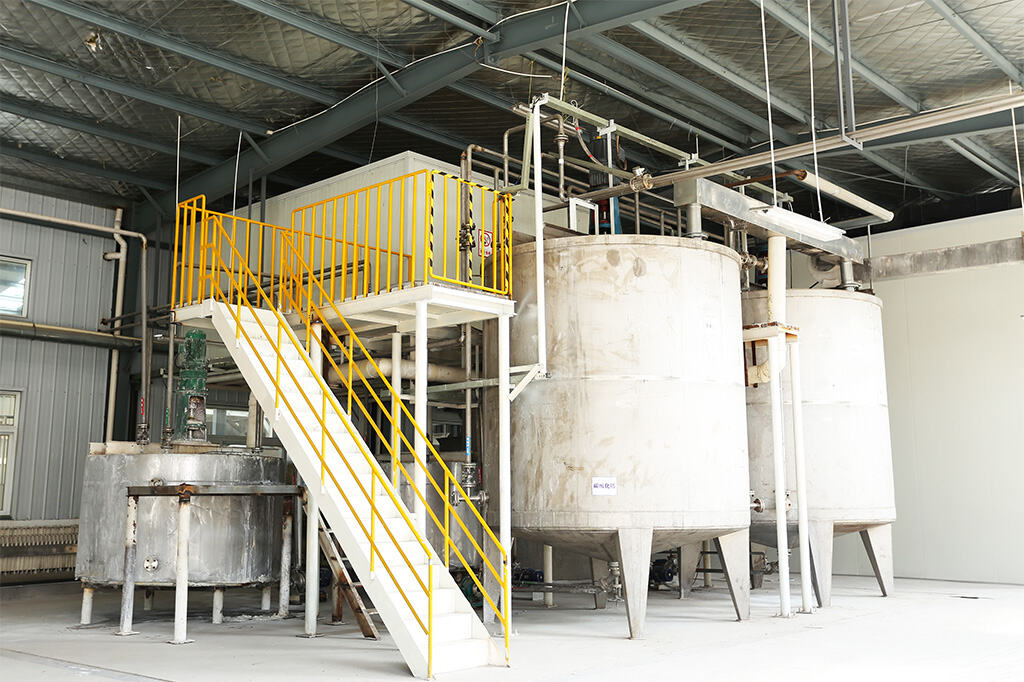 Raw Material Testing
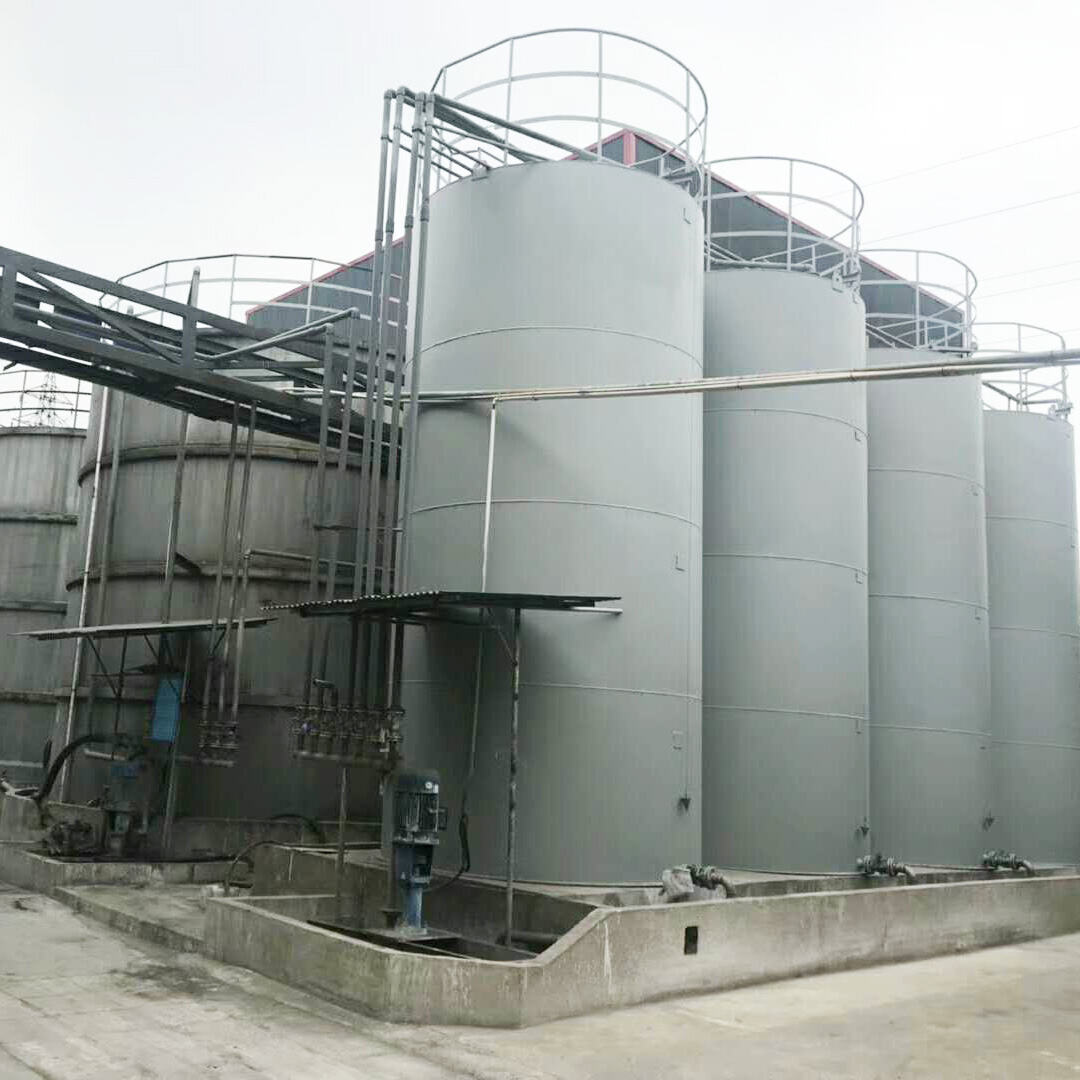 Precision Chelation
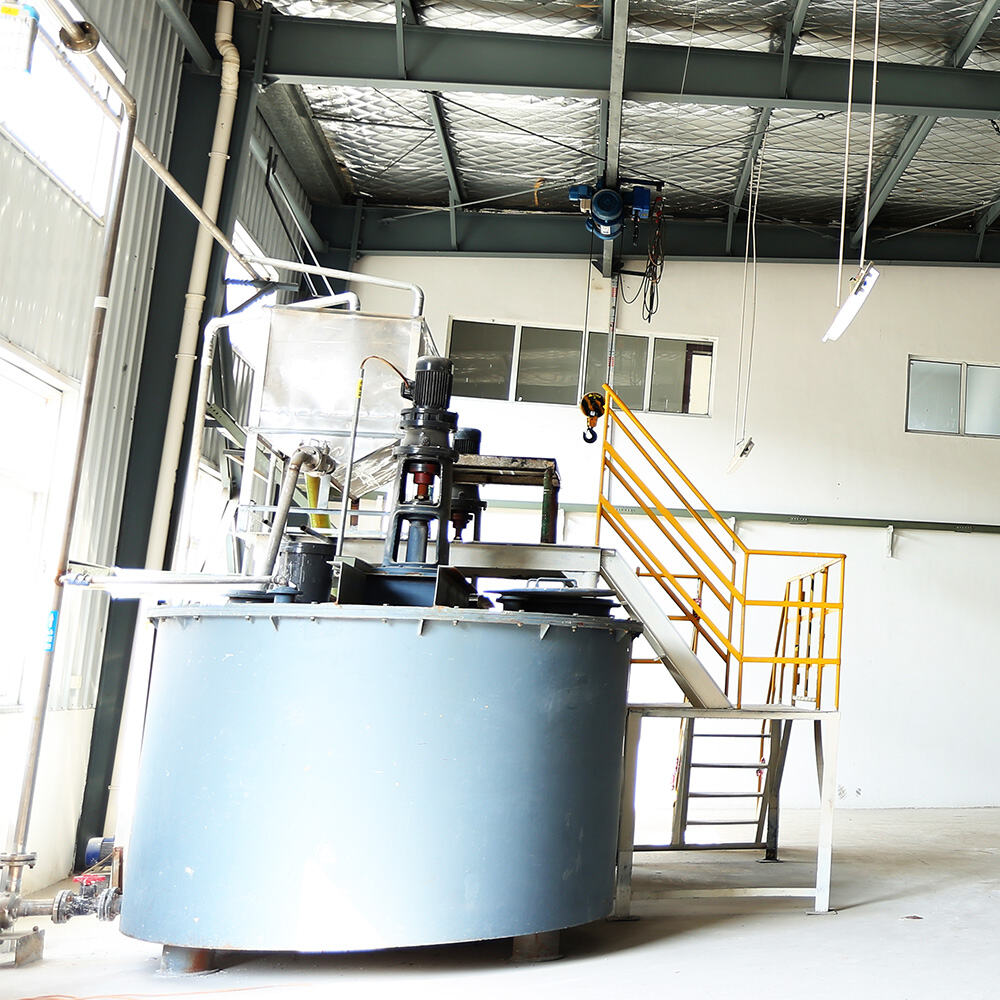 Thermal Drying
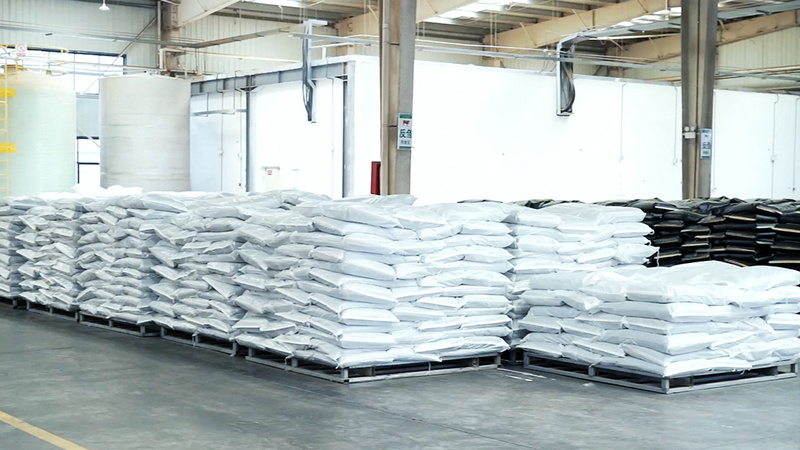 Material Prep
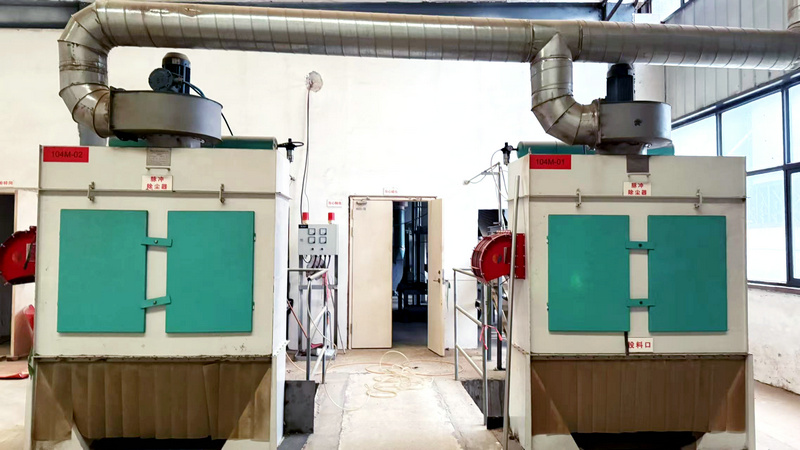 Automated Feeding
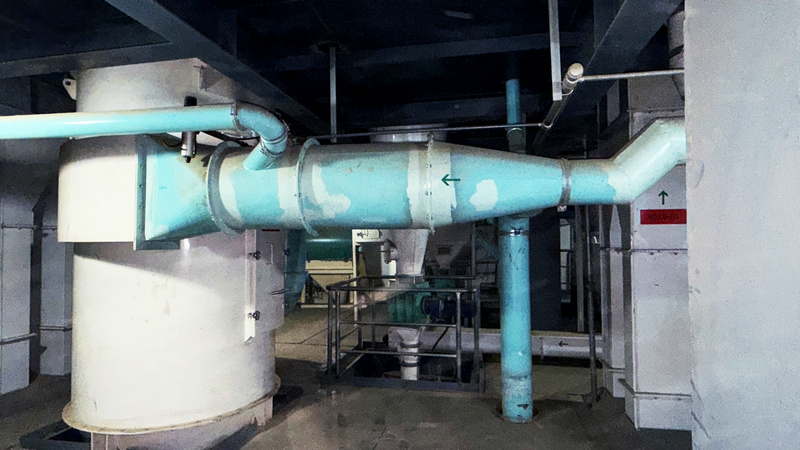 Cyclonic Dedusting
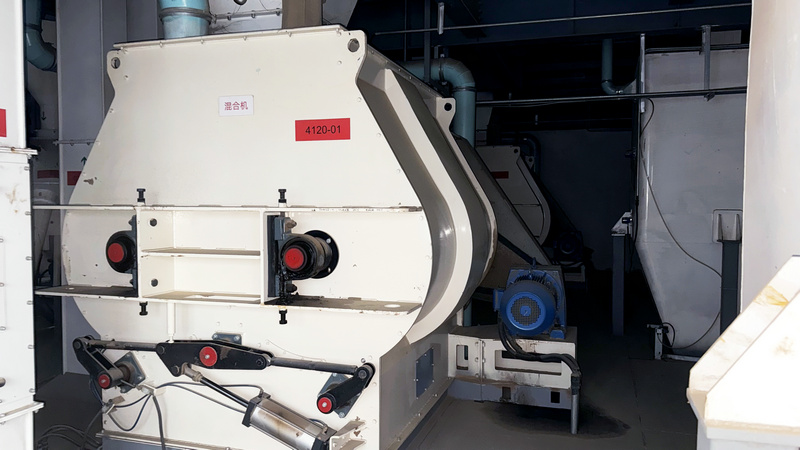 Homogeneous Mixing
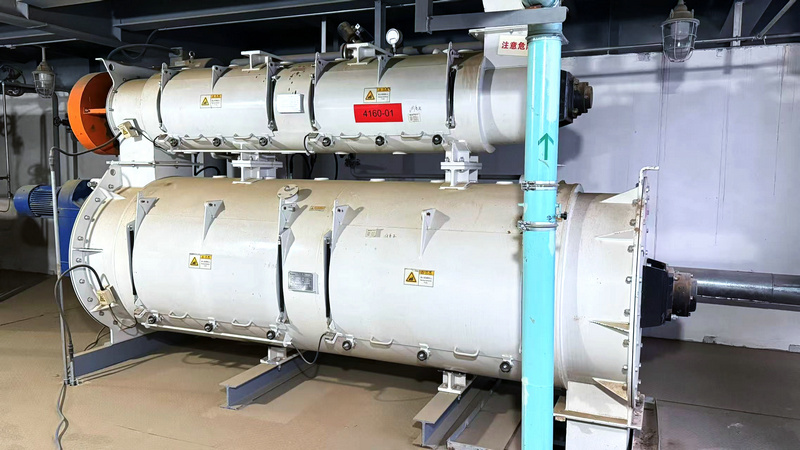 Degerming & Cleansing
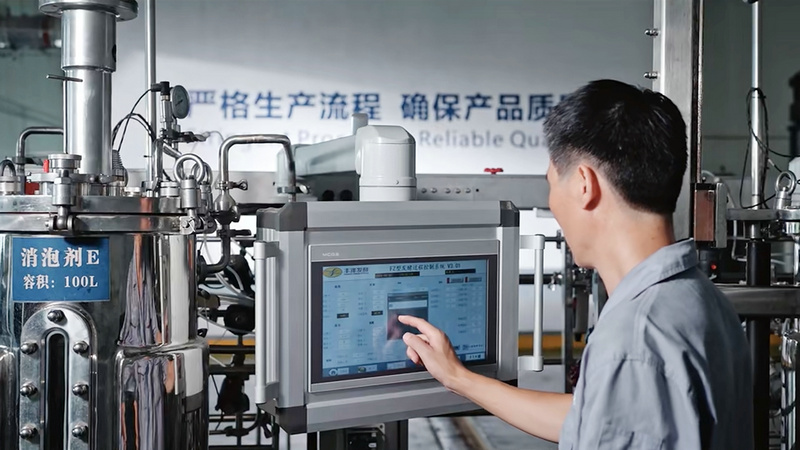 Deep Fermenting
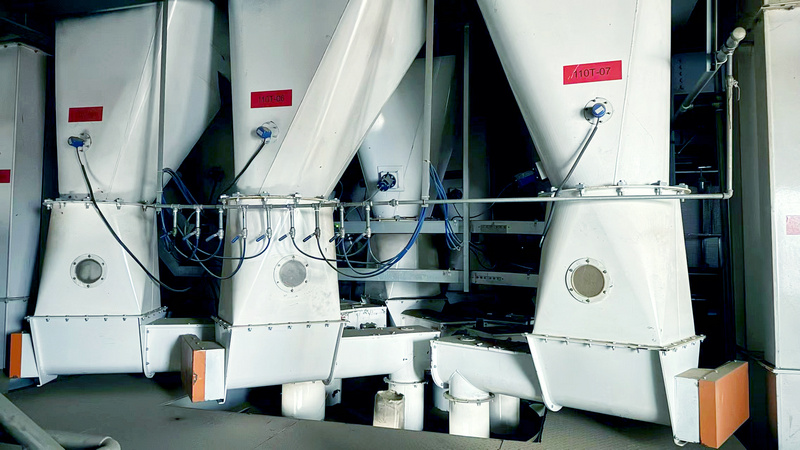 Secondary Mixing
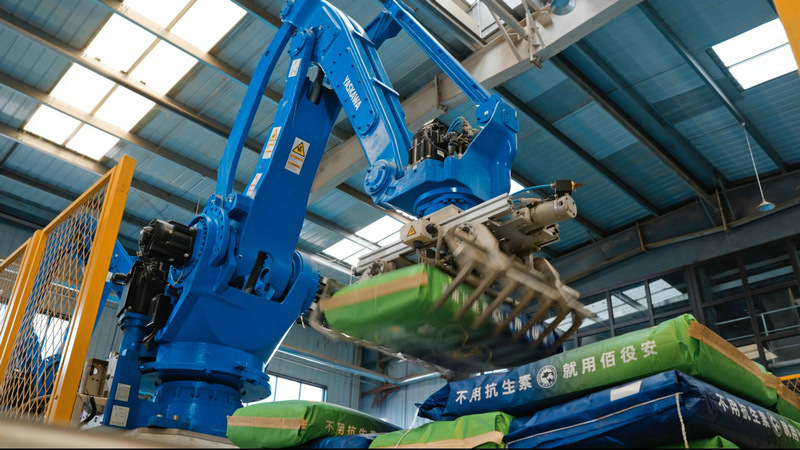 Sealed Packing
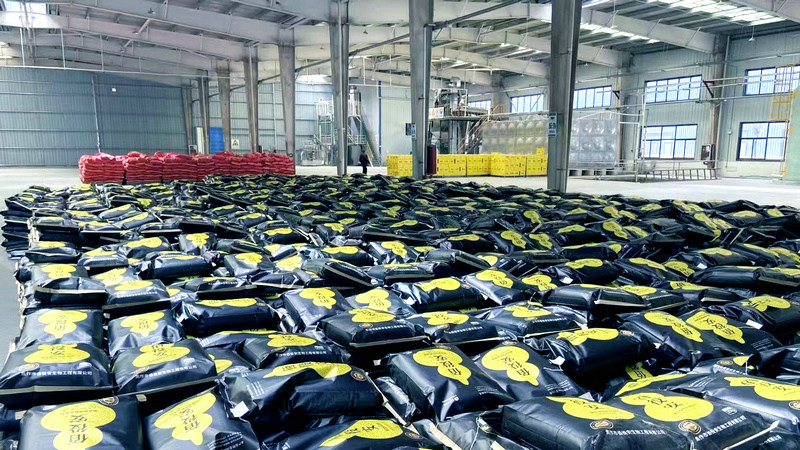 Finished Quality Audit
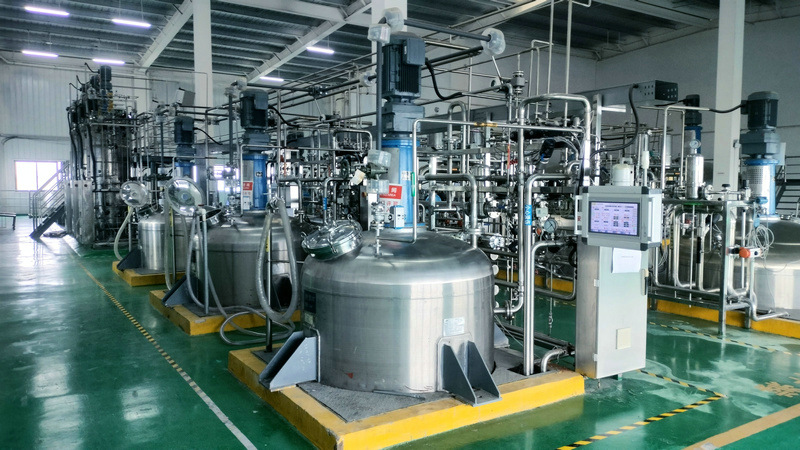 Bio-Fermenters
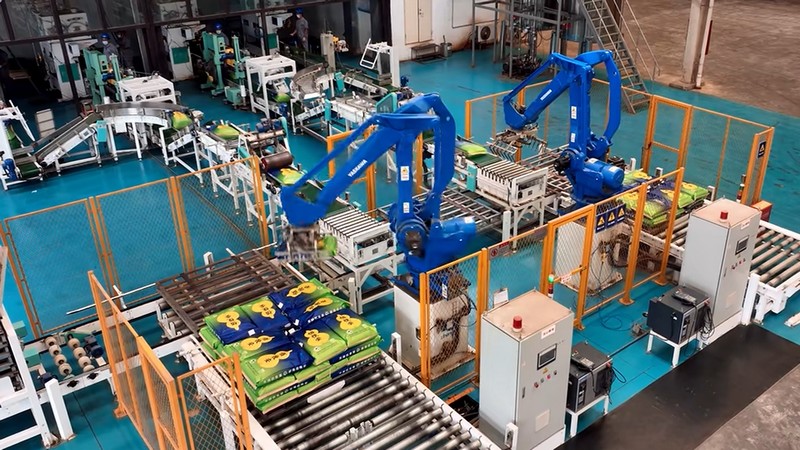 Additive Production Line
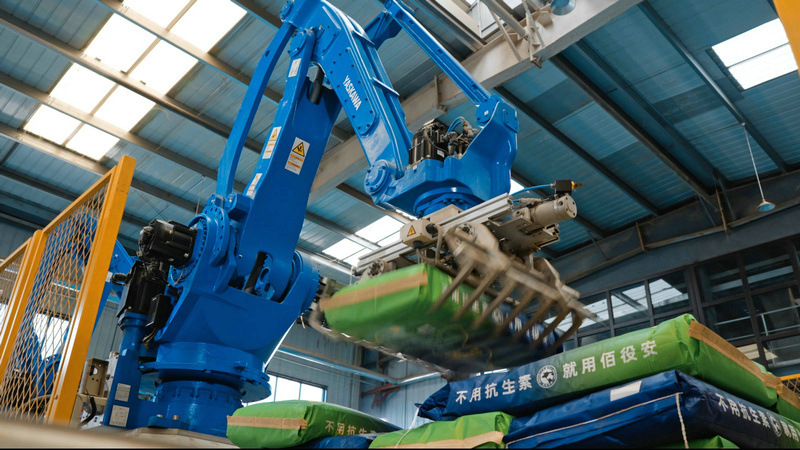 Robot Arm Assembly
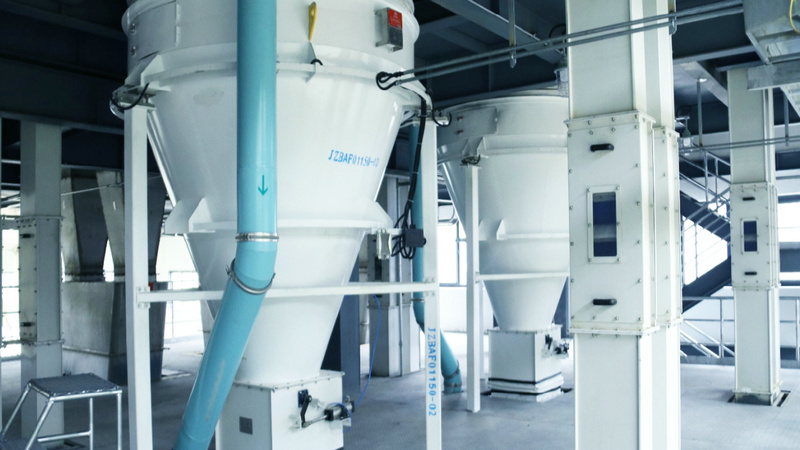 Spray Drying Equipment
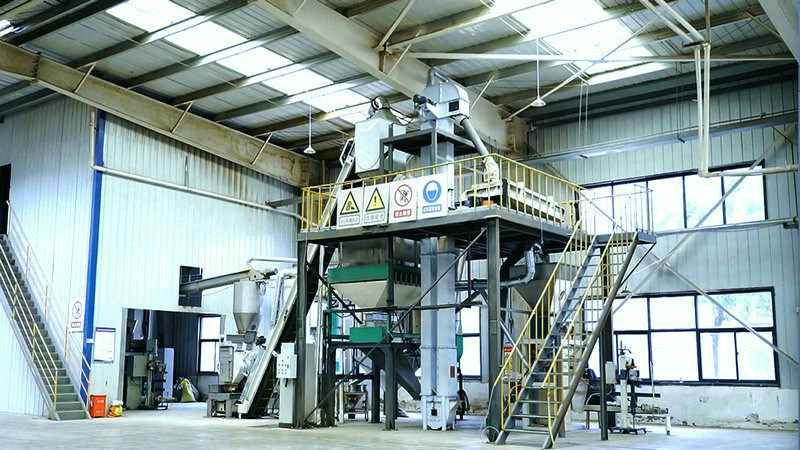
Equipped with state-of-the-art extrusion and micro-granulation units to prevent mineral separation and dust pollution in Detroit feed-mill environments.
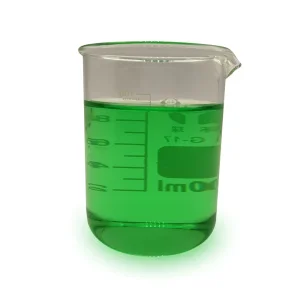
Detroit's leading vertical farming grids use chelates to maintain high bioavailability under non-soil conditions, avoiding pH swings. Solutions like our Reinfa Smart Hydroponic System and Farmhydro Vertical DWC Hydroponic Racks work synergistically with liquid chelates to maximize leafy green throughput.
To combat the cold stress during Michigan winters, swine producers integrate our L-Lysine Sulfate for holistic improvements alongside bio-available copper and zinc. The organic matrix speeds up gut recovery and supports optimal metabolic heat conservation.
Addressing the clay-heavy soils of Southeast Michigan, applications utilizing Nutree Micronutrient Fertilizer (Calcium & Magnesium) ensure rapid vegetative absorption while restoring depleted urban soils back to commercial fertility.
Contact our global trade team to receive free technical samples, custom formulation options, and dynamic quotes for the Detroit port and rail yards.
Send Inquiry NowSelect from our comprehensive list of organically chelated minerals, bio-stimulants, and high-efficiency functional feed additives.
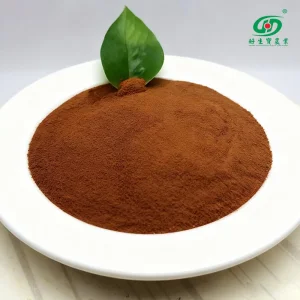
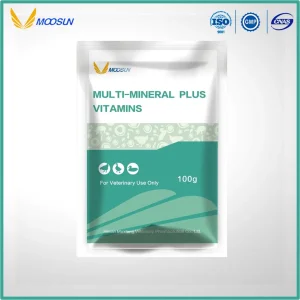
Technical clarity, quality assurance guidelines, and global supply logistics parameters for importers in Detroit and the Midwest.
 Treo Nutrition