High-performance biocides, crop health stimulants, and precision agricultural equipment engineered for resilient sustainable farming.
With over 20 years of industry experience, Zhengzhou Treo Nutrition Co., Ltd. is committed to delivering innovative, efficient, and sustainable nutrition and protection solutions for both animal husbandry and modern agriculture. Leveraging deep technical expertise and continuous research, we establish robust paradigms in feed systems and ecological farming structures.
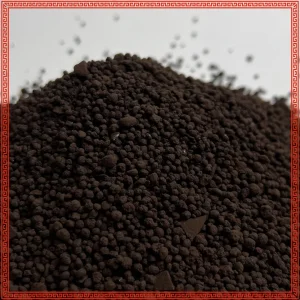
We specialize in premium feed ingredients and additives, including Corn Gluten Meal 60%, Mycoprotein 70%, and Rice Protein Powder 70%. In response to global trends, our strategic development expands directly into advanced crop nutrition and organic crop protection inputs, providing custom-formulated humates, NPK organic systems, and soil remediation agents.
Our dual logistics headquarters in Zhengzhou and Hong Kong coordinate agile production across facilities in Shandong, Hebei, and Jiangsu, ensuring continuous export compliance and global supply security.
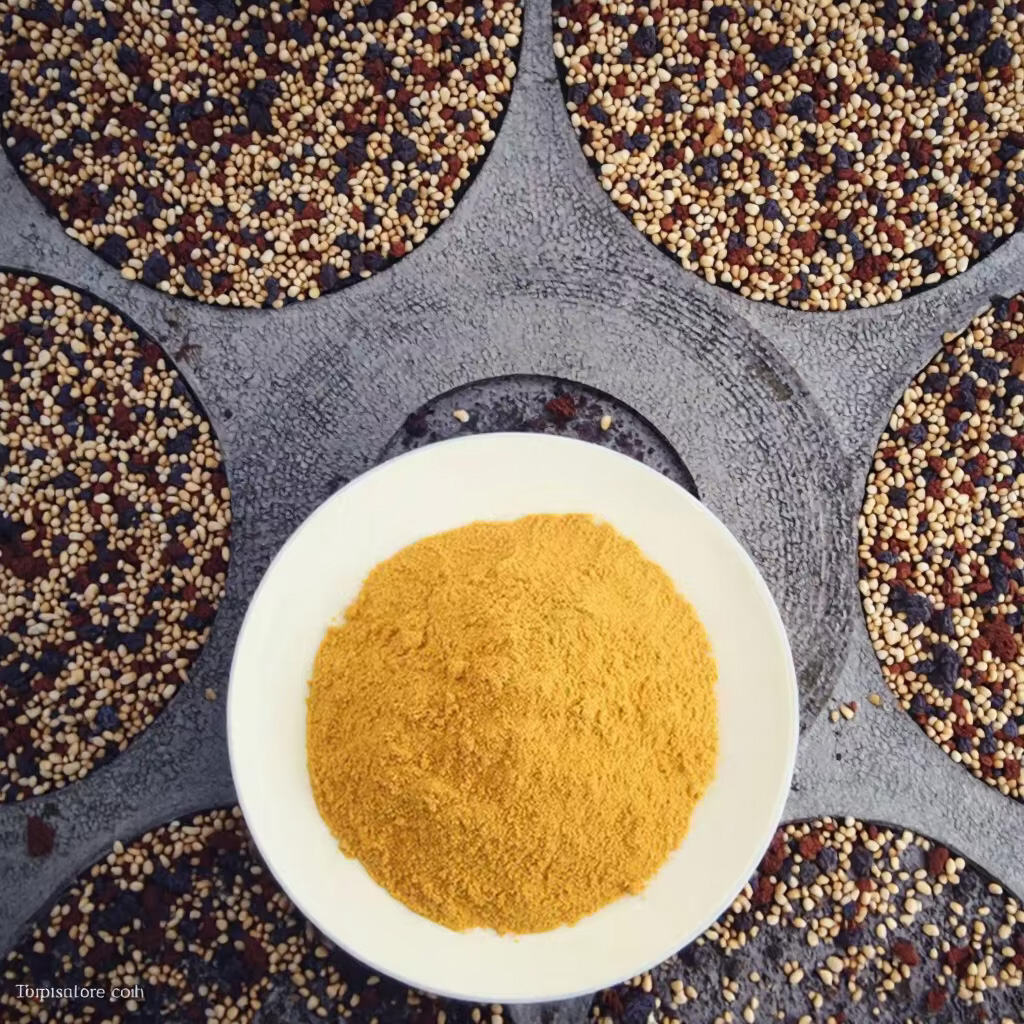
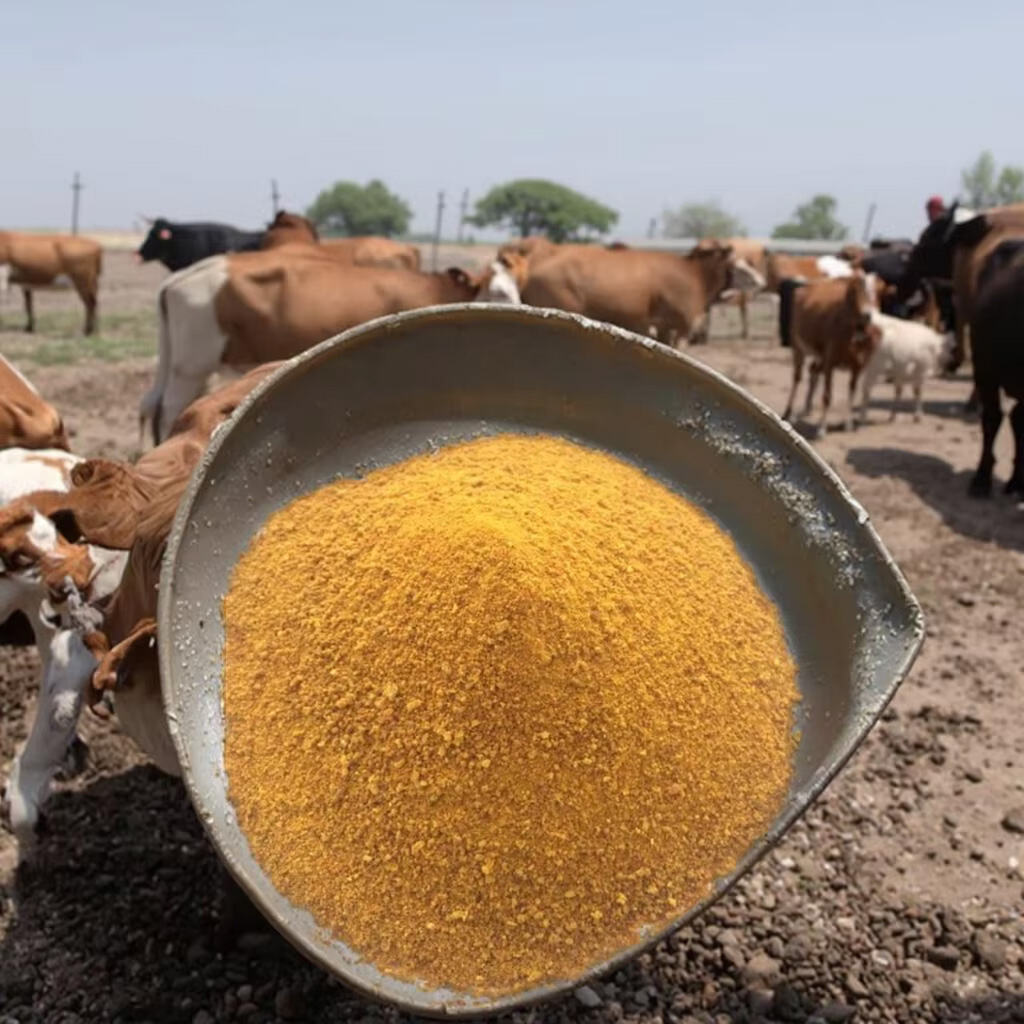
The convergence of green chemistry, molecular biology, and microbial fermentation systems is redefining the biological crop input industry.
Eliminating broad-spectrum chemical residues by employing bio-based secondary metabolites and botanical extracts that target specific pest vectors without harming beneficial pollinators or microbial soil ecosystems.
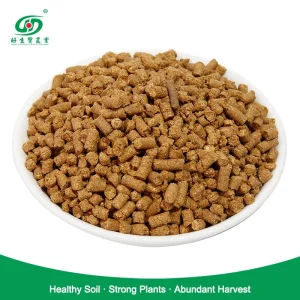
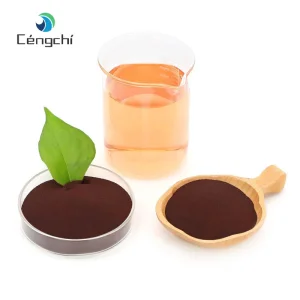
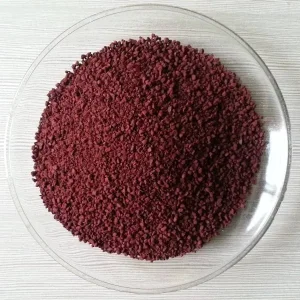
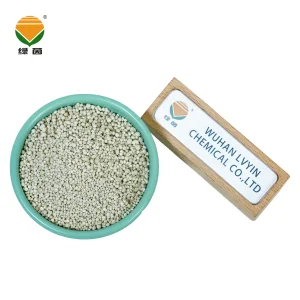
Utilizing high-performance organic matrices and slow-release nitrogen systems (like Mu28-0-0 and chelates like EDDHA Fe 6%) to deliver steady nutrition, optimizing crop immunity and reducing environmental leaching.
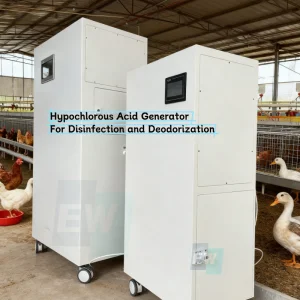
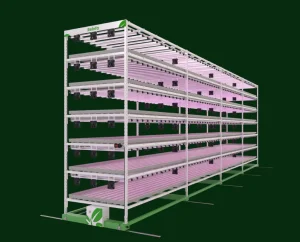
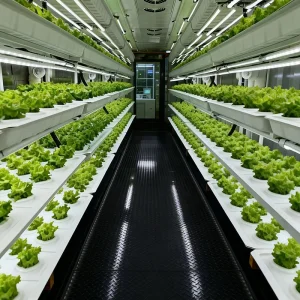
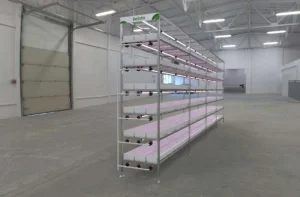
Integrating smart hydroponic controls, anti-clogging drip irrigation systems, and automated chemical generators to ensure minimal input waste and maximize local biological efficacy.
Bridging the gap between chemical-free crop protection and commercial-scale crop yield optimization.
Global modern agriculture faces a double bind: rising regulatory constraints on synthetic pesticide residues (MRLs) and declining soil fertility due to monoculture and intensive chemical inputs. Zhengzhou Treo Nutrition Co., Ltd. addresses this paradigm by integrating animal health, soil health, and plant physiology under one systematic canopy.
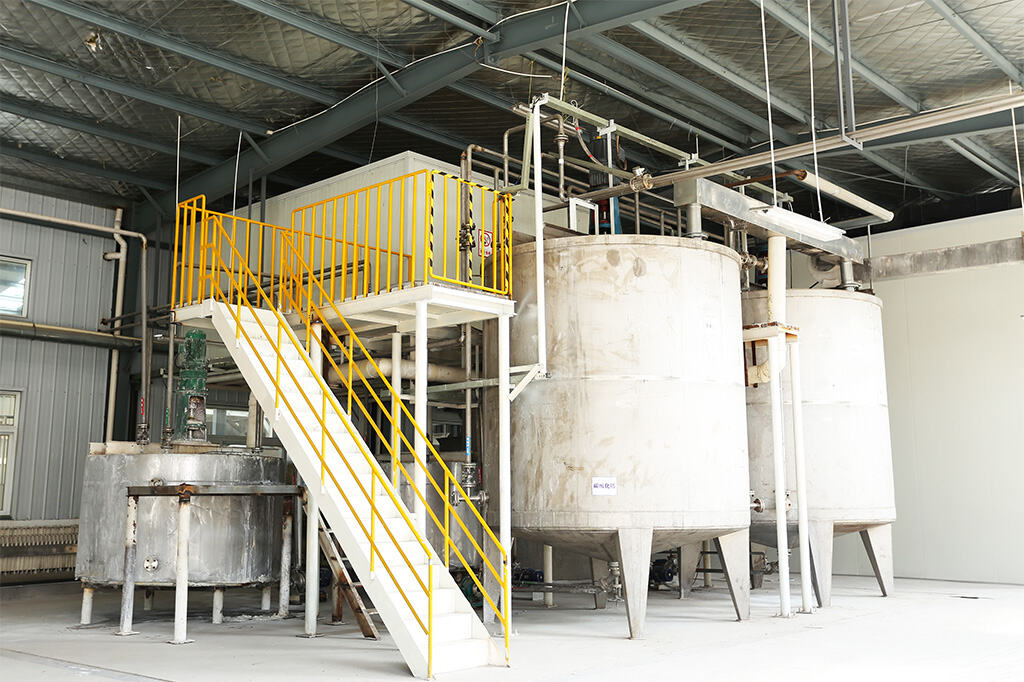
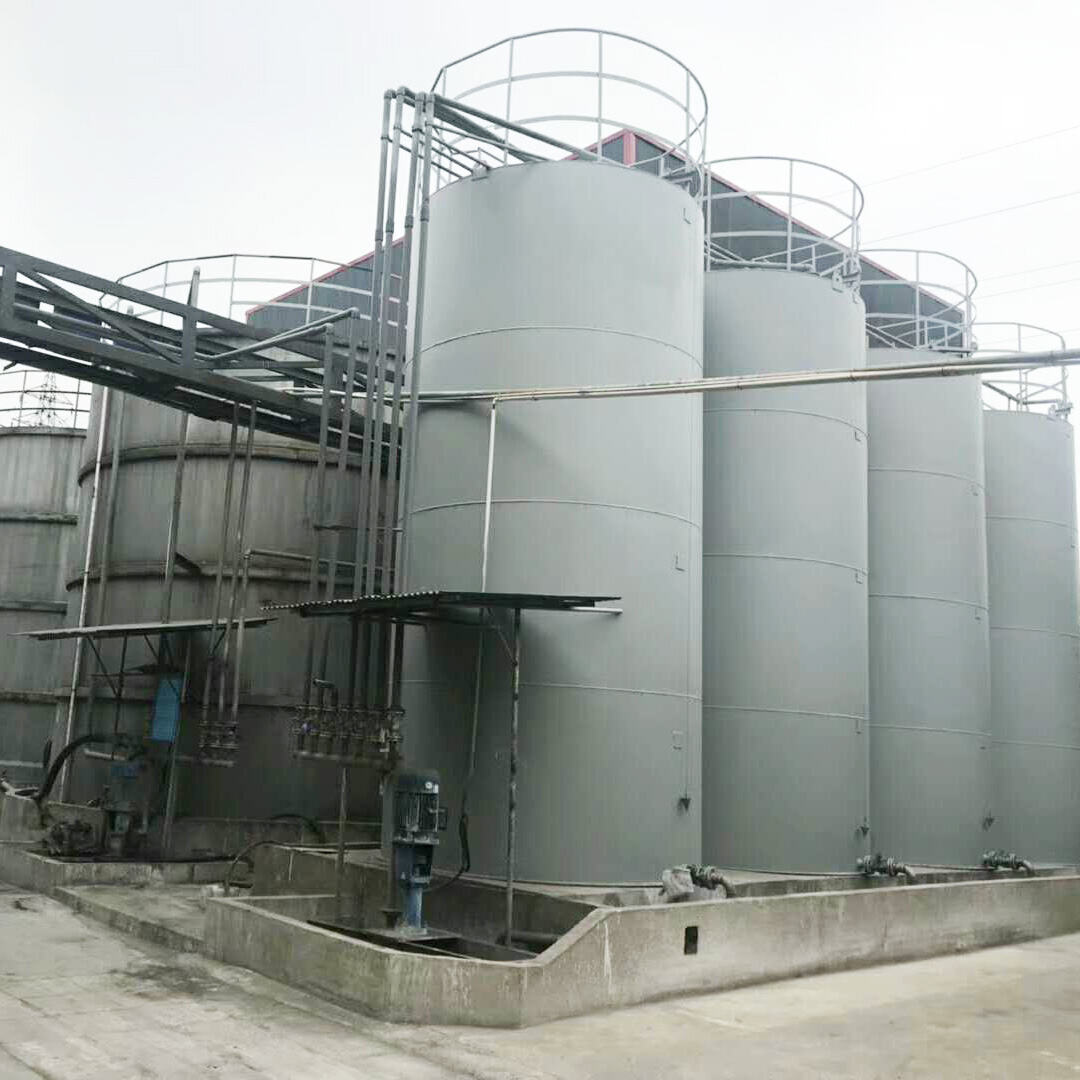
Step-by-step production flow highlighting our automation, quality assurance protocols, and massive export capacity.
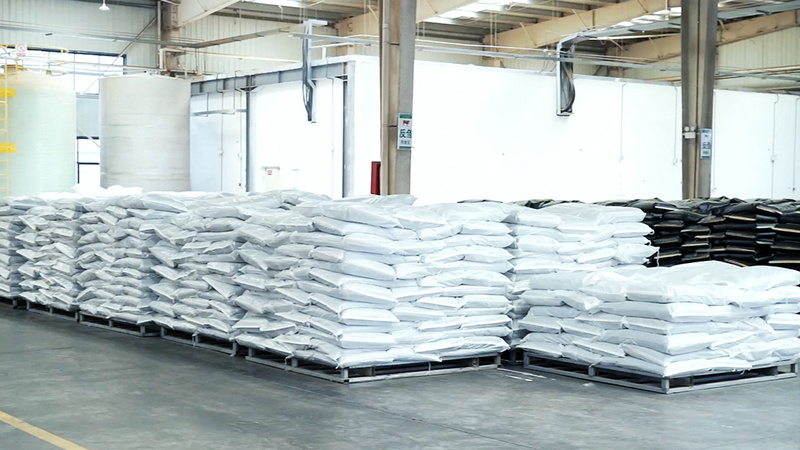
Stringent purity testing for organic raw inputs.
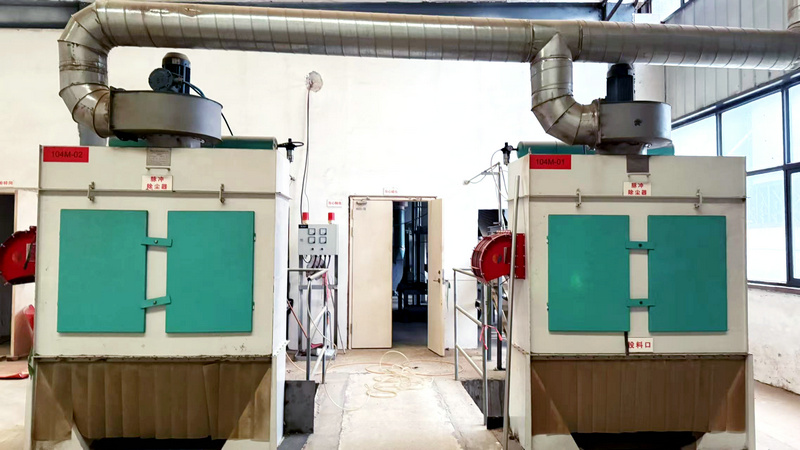
Fully enclosed automated raw material feeding.
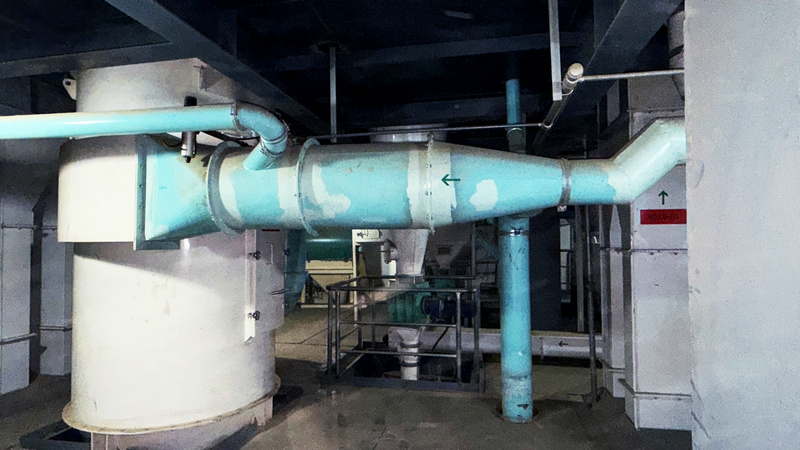
Ensuring dust-free processing for environmental safety.
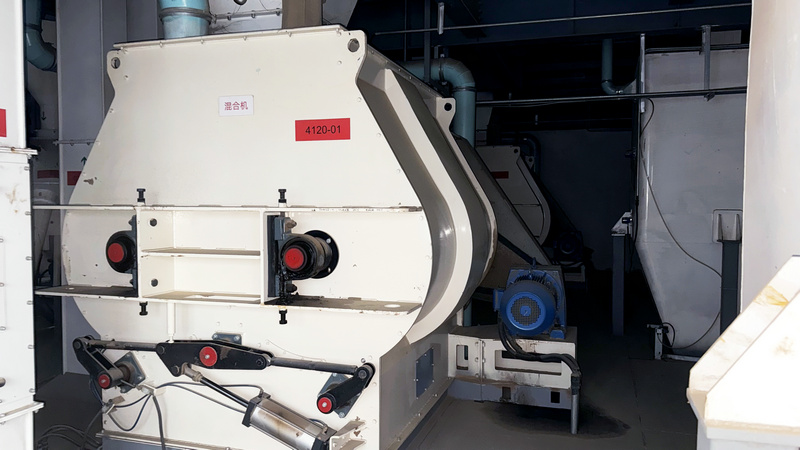
Precision blending of micro-nutrients and bio-agents.
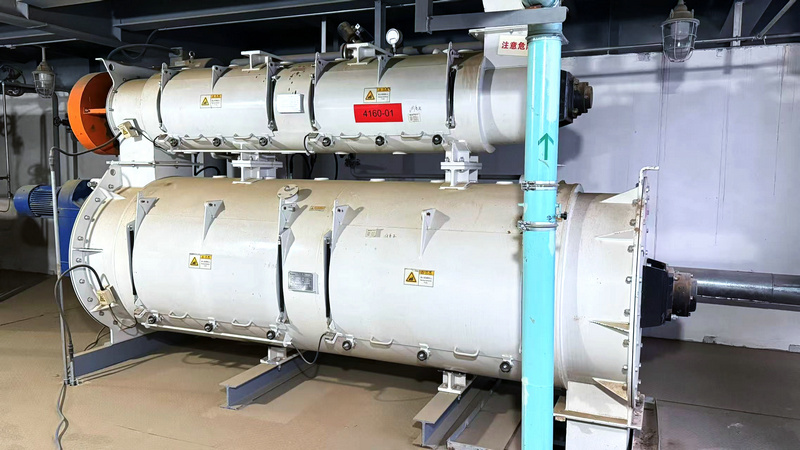
Microbiological stabilization to ensure stable shelf life.
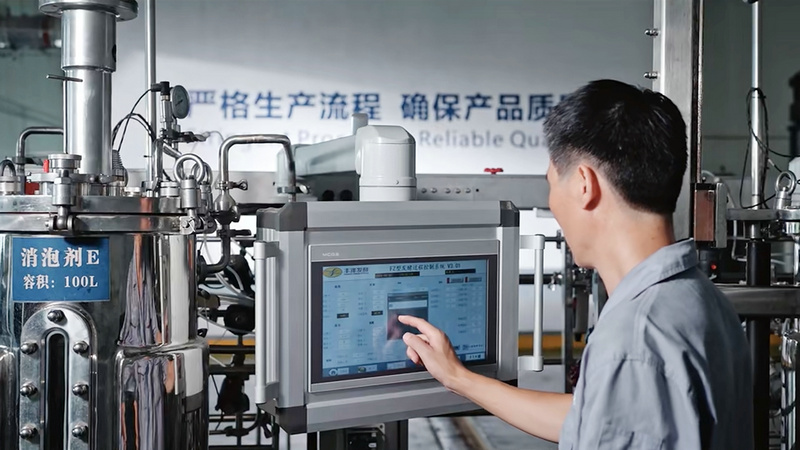
Deep-layer bio-fermentation for metabolically active organic acids.
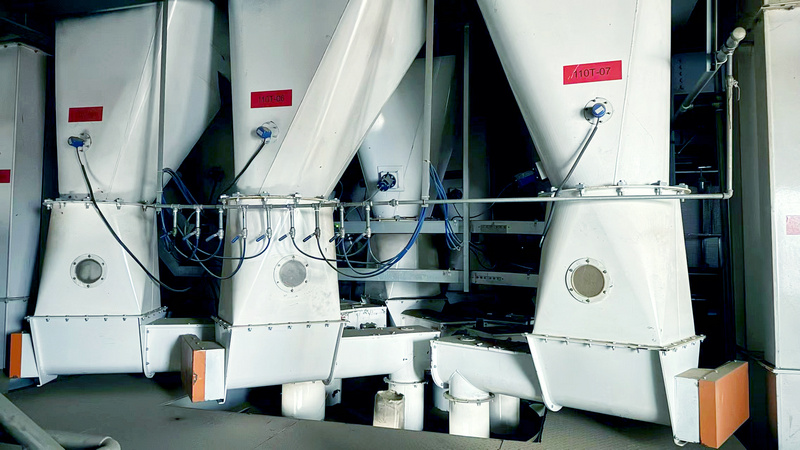
Stabilization adjustments prior to final packaging.
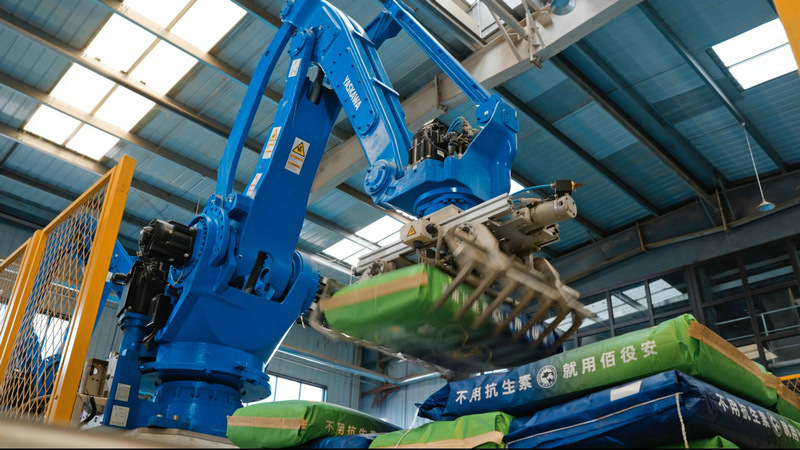
Hermetic automated packaging to prevent oxidation.
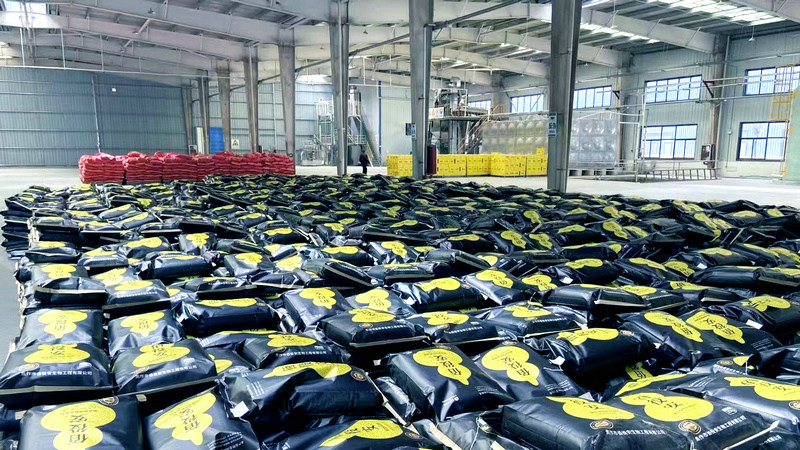
Double-checked batch quality retention controls.
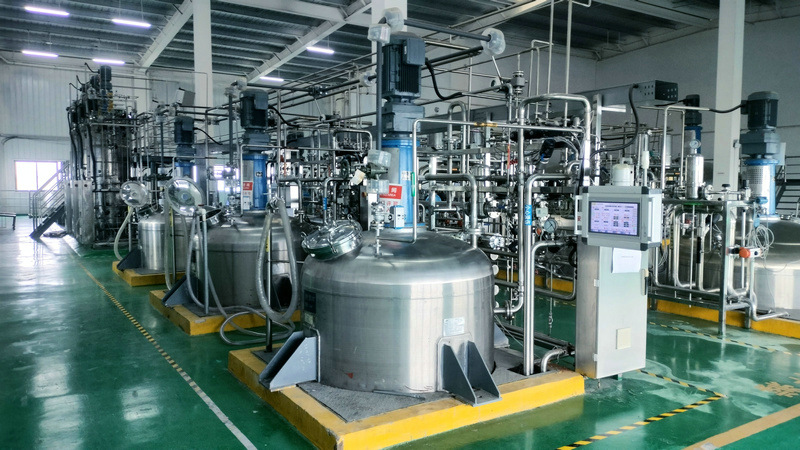
Dedicated bio-reactors producing localized microbial solutions.
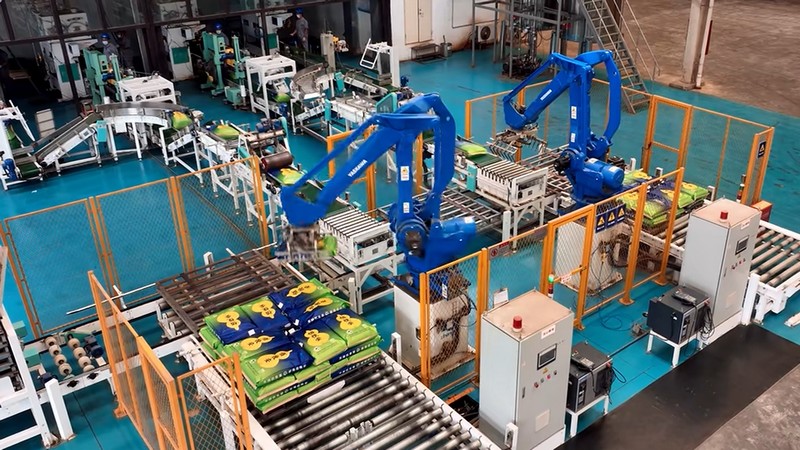
High-capacity pelletized and powdered extrusion processes.
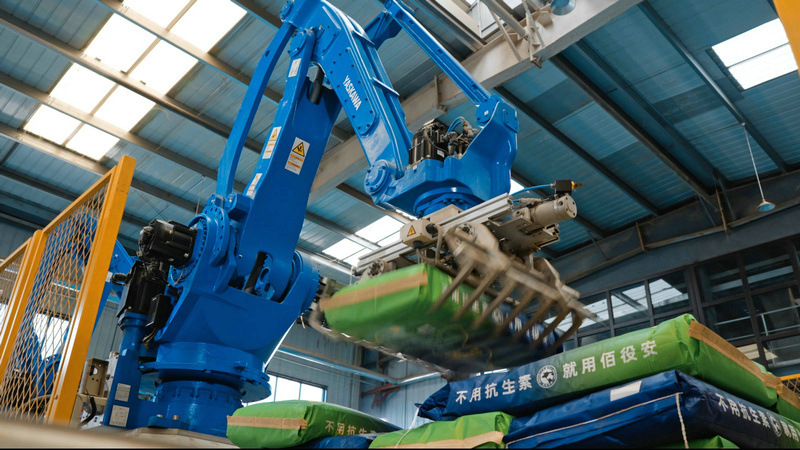
Robotic pick-and-place automation ensuring rapid loading.
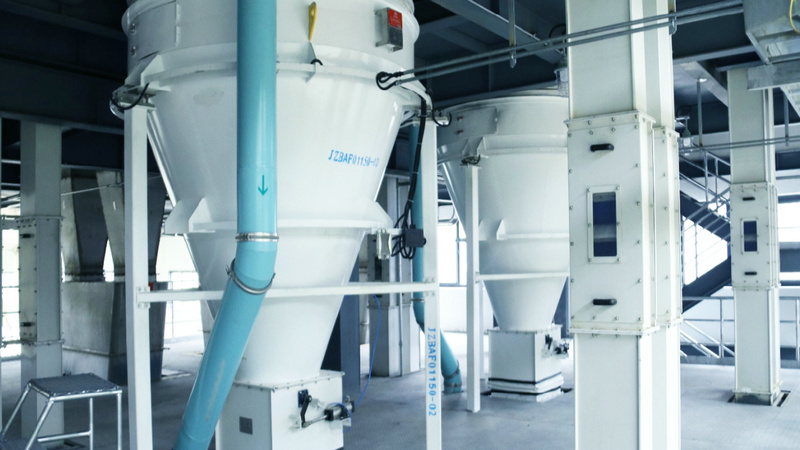
Advanced heat-controlled drying for delicate bioproducts.
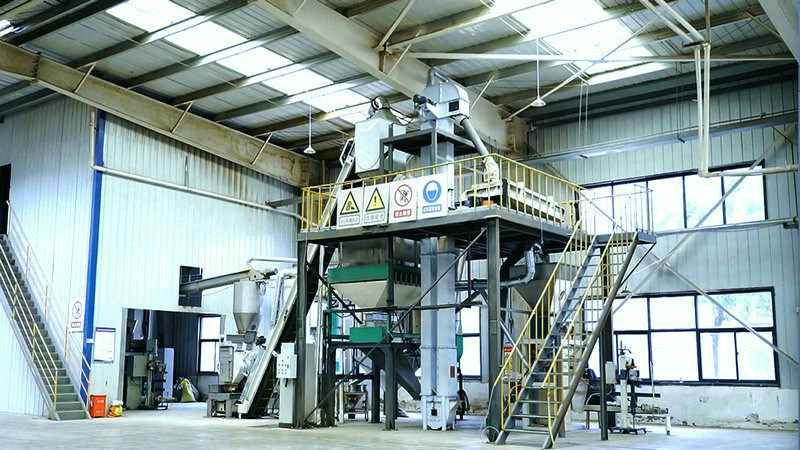
Uniform particle sizing for optimal soil and crop dispersion.
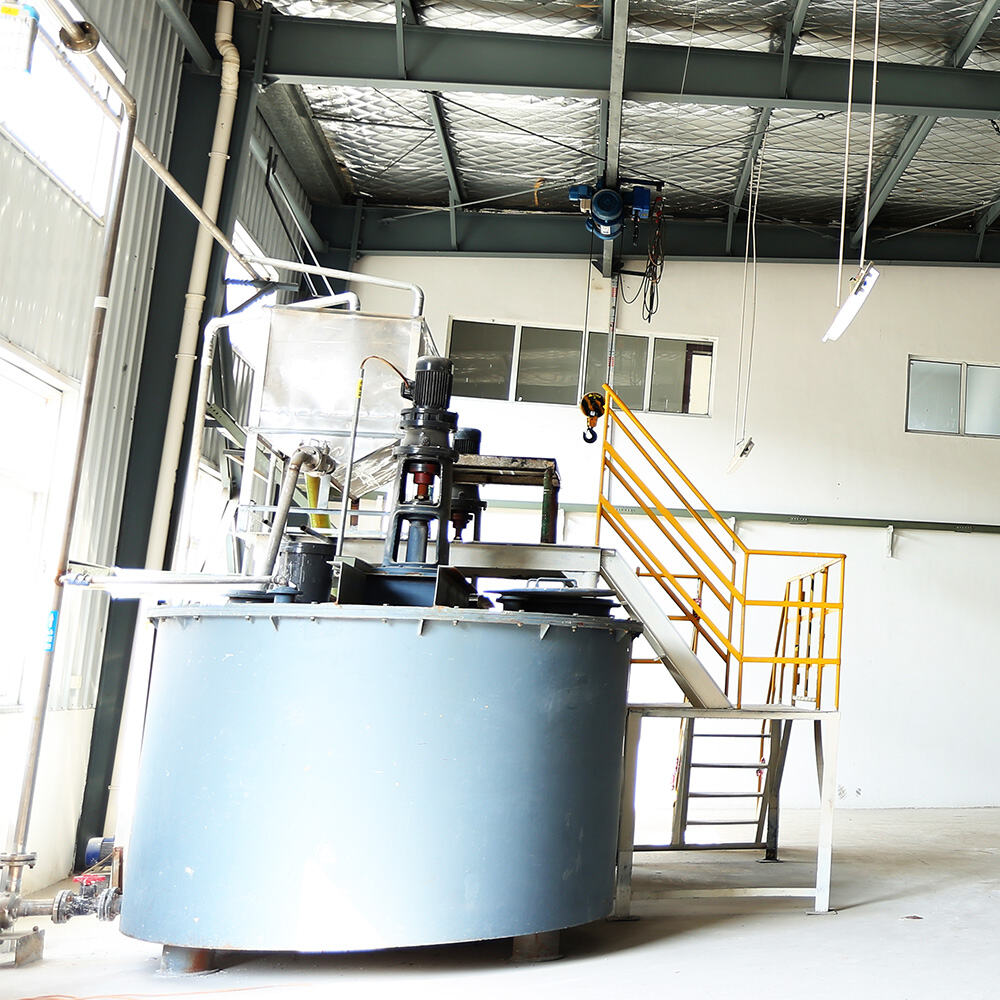
Empowering regional distributors to seamlessly navigate international import thresholds, certifications, and target regulatory approvals.
Our bio-pesticides and organic inputs are actively engineered to support OMRI, ECOCERT, and national organic standards, minimizing obstacles during customs audits and certification steps.
Every single batch undergoes rigorous HPLC and ICP-MS testing to guarantee zero contamination of unlisted synthetic actives, toxic heavy metals, or prohibited chemical residues.
Leveraging our HK offices and mainland ports (Qingdao, Shanghai, Tianjin), we provide comprehensive SDS documentation, non-hazardous declarations, and optimized packaging sizes.
When sourcing bio-pesticides and organic crop nutrients, professional procurement teams evaluate suppliers on the following critical vectors:
Key technical answers to common queries regarding sustainable inputs, organic certifications, and processing stability.
Explore our diverse portfolio of crop protection inputs, micronutrient formulations, and livestock feed additives.
 Treo Nutrition