10 Best Tips to Transition Cattle to High Protein Diets?

Time:2026-05-25 Author:Oliver
0%

Transitioning cattle to high-protein diets is essential for maximizing growth and production. This change can significantly improve the health and yield of the herd. However, many ranchers may wonder how to transition cattle to high-protein diets effectively. Implementing this dietary shift requires careful planning and a structured approach.

High-protein feeds provide vital nutrients. These include amino acids that support muscle development. Yet, switching abruptly can lead to digestive issues. Inexperience in managing transitions may result in decreased feed intake. It’s crucial to gradually introduce protein-rich feeds into the cattle's diet. This method allows the rumen to adjust and helps prevent stress in the animals.

Expert knowledge is valuable in this area. Understanding the specific needs of your herd can enhance their performance. It’s also important to monitor their response to dietary changes. Observations during this transition period can reveal insights into the effectiveness of your strategy. By accumulating experience and adjusting your methods, you can create a nutrient-rich diet that benefits your cattle in the long run.
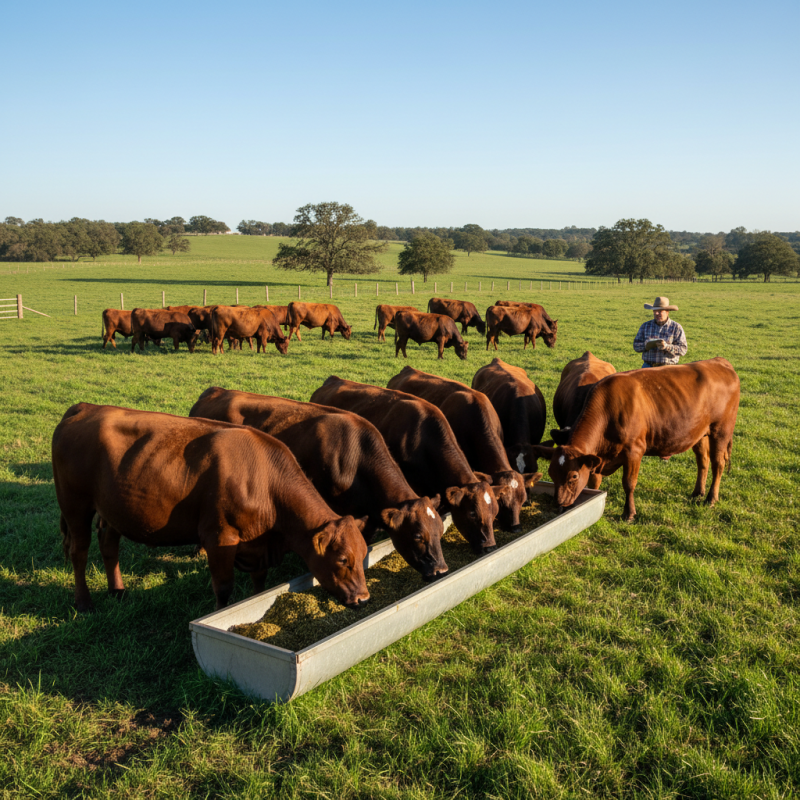
10 Best Tips to Transition Cattle to High Protein Diets?

Understanding Nutritional Needs of Cattle for High Protein Diets

Transitioning cattle to a high-protein diet requires an understanding of their nutritional needs. Cattle thrive on protein for growth, milk production, and overall health. First, assess the current diet. It helps in creating a smooth transition. Gradually introduce high-protein supplements. This approach reduces the risk of digestive issues. Monitoring response is crucial during this phase. Watch for signs of stress or discomfort.

Hydration is vital. Ensure access to fresh water at all times. This supports digestion and absorption of nutrients. Consider the animal’s age and health status. Young calves have different protein needs than mature cattle. An imbalance can lead to health challenges. It is essential to adjust the diet based on these factors. Consulting with a livestock nutritionist can provide tailored advice.

It’s easy to overlook specific needs. Each herd is unique; what works for one may not work for another. Test feed sources for nutrient content. Regularly assess cattle performance. This indicates if nutritional goals are being met. Adjustments may be necessary. Effective management involves ongoing evaluation and flexibility. High-protein diets can be beneficial, but careful planning is key.

Assessing Current Diet and Gradual Transition Techniques

Transitioning cattle to a high protein diet requires careful assessment of their current feeding regimen. Start by evaluating the nutritional content of their existing diet. Look at key factors such as protein levels, fiber content, and overall energy. A thorough analysis helps in understanding the gaps that need to be filled.

Gradually introducing changes is critical to prevent digestive upset. Begin by supplementing their current feed with protein-rich sources, like alfalfa or soybean meal. Introduce these changes slowly over a few weeks. Monitor the cattle during this process for any signs of distress, adjusting the transition based on their reactions. Some cattle may adapt quickly, while others can struggle.

Consideration must also be given to the cattle's individual needs and health conditions. Young calves, for instance, may require a different approach than older animals. Recognizing these unique factors will lead to a more successful transition. Reflection on the outcomes post-transition can provide valuable insights for future practices. Continual learning is essential in managing dietary changes effectively.

Choosing Suitable High Protein Feed Sources for Cattle

When transitioning cattle to high-protein diets, selecting the right feed sources is crucial. A report from the United States Department of Agriculture (USDA) shows that protein enrichment can significantly improve weight gain and overall health. Choosing high-quality forages can elevate protein levels substantially. Alfalfa hay, for instance, can contain upwards of 20% crude protein, making it an excellent option for cattle.

Additionally, grains such as corn and soybean meal are rich in protein and energy. According to a study from the National Cattlemen's Beef Association, incorporating these feeds can increase growth rates by 15%. However, it's important to monitor feed quality. Mold or contamination can render high-protein feeds ineffective. Some cattle may also exhibit digestive distress when switching to richer proteins too quickly.

Finding a balance between high-energy feeds and traditional grazing is essential. Over-reliance on high-protein diets can lead to health issues such as liver disease. Nutrient requirements also vary by age, weight, and production goals. Keeping accurate records of cattle response helps refine feeding strategies. Data from livestock studies reflect the need for individualized feeding plans to ensure optimal health and performance.

Monitoring Cattle Health and Performance During the Transition

Transitioning cattle to a high-protein diet requires careful monitoring of their health and performance. Track their weight and appetite daily. This helps detect any issues early, as cattle may show reluctance to eat when their diet changes. Keep an eye on their body condition score. Regular assessments can highlight whether they are thriving or showing signs of stress.

Observe their behavior as well. Cattle may become more restless or agitated during this transition. Stress can lead to health problems. Providing a calm environment can ease this adjustment. Check for signs of digestive upset, such as bloating or diarrhea. These symptoms should not be ignored, as they can indicate serious issues in the herd.

Adjustments should be gradual. Sudden changes might lead to health complications. Introduce new feeds slowly over several days. Monitor water intake, too, as high-protein diets can increase hydration needs. Discussing these changes with a veterinarian can enhance the transition process. Veterinarians offer valuable insights based on experience. Their expertise can help you optimize your approach.

Adjusting Feeding Schedule and Portion Sizes for Optimal Results

Transitioning cattle to a high-protein diet requires careful adjustment of feeding schedules and portion sizes. Research from the National Cattlemen’s Beef Association suggests that a gradual shift minimizes digestive disturbances. Start by incorporating higher protein feeds into the existing diet slowly. This allows cattle to adapt without overwhelming their digestive systems.

Feeding schedules should be carefully planned. Cattle benefit from consistent feeding times. Aim for two to three smaller meals daily instead of one large meal. Studies show that frequent feeding helps increase protein utilization. Additionally, monitor portion sizes closely. Over feeding can lead to health issues like acidosis. Adjust portions based on cattle weight and nutritional needs.

It's essential to be observant and adaptable. Each herd may react differently to diet changes. Periodic assessments of animal health and weight gain are critical. Data from the Journal of Animal Science highlights the importance of monitoring body conditions during dietary transitions. Remember, consistency is key, but flexibility in your approach can lead to optimal results in both growth and overall cattle health.

10 Best Tips to Transition Cattle to High Protein Diets

Tip # Tip Description Recommended Adjustments Expected Outcome
1 Gradual Change Increase protein over 7-10 days Reduced risk of digestive upset
2 Monitor Body Condition Regularly assess body condition score Ensure optimal health and weight
3 Calculate Nutritional Needs Use weight and age for calculations Maximized nutrient utilization
4 Adjust Feeding Schedule Feed multiple smaller meals Improved digestion and absorption
5 Include High-Quality Forage Add premium hay or silage Enhanced protein availability
6 Supplement with Concentrates Use grains or protein supplements Increased protein intake
7 Hydration is Key Ensure fresh water availability Better digestion and health
8 Monitor Behavior Watch for signs of stress or illness Early detection of issues
9 Adjust Portion Sizes Gradually increase portion sizes Promotes healthy weight gain
10 Consult a Veterinarian Get dietary recommendations Ensures best practices for cattle health

FAQS

: How should I start transitioning cattle to a high-protein diet?

: Begin by assessing their current diet and identifying nutritional gaps. Look at protein, fiber, and energy content.

What is a safe way to introduce high-protein feeds?

Gradually supplement existing feeds with protein-rich sources over a few weeks. Monitor cattle for any signs of distress.

What factors should I consider during the transition?

Each animal's individual needs, health conditions, and age are vital. Young calves may need different approaches than adults.

Why is monitoring cattle important during the transition?

Tracking weight, appetite, and behavior helps detect issues early. Changes in these areas may indicate stress or health problems.

What signs indicate that cattle are struggling with the diet change?

Reluctance to eat, agitation, and digestive upset are critical signs to watch for during the transition.

How can I ensure high feed quality when transitioning?

Check for mold or contamination in high-protein feeds. Poor quality can affect cattle health and weight gain.

What happens if the transition is too sudden?

Rapid changes can lead to health complications. It may cause digestive upset or other serious issues within the herd.

Should I consult a veterinarian during this process?

Yes, discussing changes with a veterinarian can provide valuable insights and help streamline the transition.

Is it possible to over-rely on high-protein diets?

Yes, too much protein can lead to health issues. It’s essential to balance high-protein feeds with traditional grazing.

How can keeping records help in transitioning cattle?

Accurate records of cattle responses help refine feeding strategies and adjust diets for optimal health and performance.

Conclusion

Transitioning cattle to high-protein diets requires a comprehensive understanding of their nutritional needs and careful implementation of transition techniques. To begin, assess the current diet of the cattle, ensuring any adjustments are made gradually to minimize stress and digestive issues. It is also essential to select suitable high-protein feed sources that meet the specific requirements of the herd.

Monitoring cattle health and performance during the transition is crucial to evaluate the effectiveness of the diet change. Additionally, adjusting the feeding schedule and portion sizes can optimize results and ensure that the cattle receive adequate nutrition. By following these key strategies, producers can effectively address the question of how to transition cattle to high-protein diets, leading to improved growth and overall herd well-being.

Oliver

Oliver

Oliver is a seasoned marketing professional with a wealth of expertise in driving brand awareness and engagement. With a deep understanding of our company's product offerings, he consistently delivers high-quality content that enriches our professional blog. His insights not only shed light on......