Why is Organic Fertilizer Slower than Synthetic Solutions?

Time:2026-05-28 Author:Henry
0%

Organic fertilizers play a crucial role in sustainable agriculture. However, many farmers often wonder, "Why is organic fertilizer slower than synthetic?" Understanding this difference is vital for effective crop management.

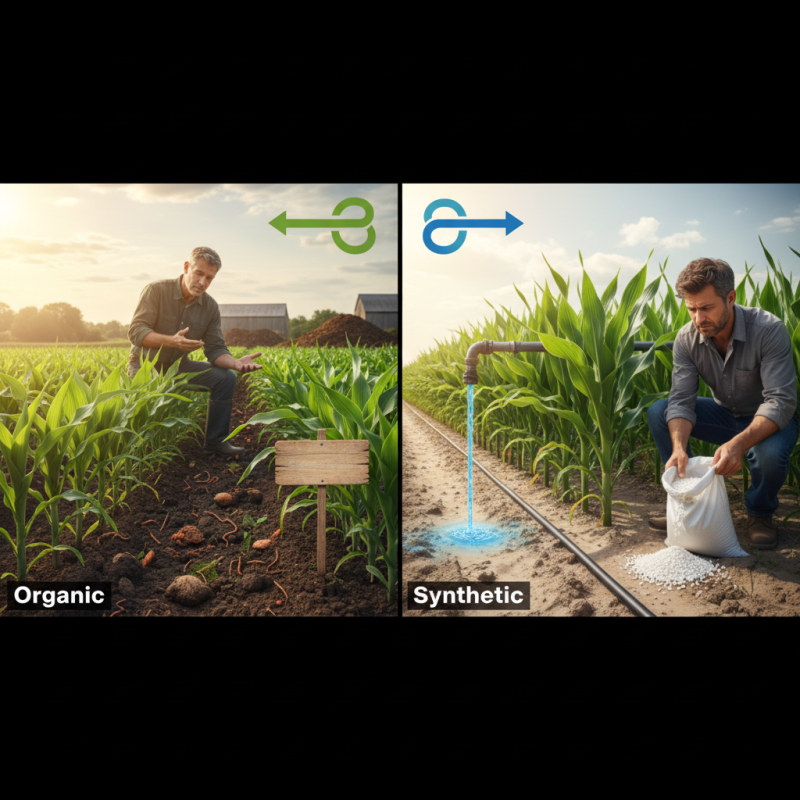
Organic fertilizers are made from natural sources, such as compost or animal manure. Their nutrient release depends on microbial activity, which takes time. In contrast, synthetic fertilizers offer immediate nutrients. They dissolve quickly in soil. This rapid availability can lead to increased plant growth initially.

However, the slow release of organic fertilizers promotes soil health over time. They enhance microbial life and improve soil structure. Yet, some farmers see slower results as a drawback. This difference can lead to challenges in transitioning to organic practices. Reflecting on these factors helps us appreciate the balance between speed and sustainability in farming.
Why is Organic Fertilizer Slower than Synthetic Solutions?

Understanding the Composition of Organic vs. Synthetic Fertilizers

When comparing organic fertilizers to synthetic solutions, understanding their composition is crucial. Organic fertilizers typically contain natural materials, such as compost and animal manure. These substances release nutrients slowly as they decompose. Studies have shown that organic matter can take weeks to months to become available to plants. This slow release can support long-term fertility but may not meet the immediate nutrient needs of crops.

In contrast, synthetic fertilizers consist of concentrated nutrients like nitrogen, phosphorus, and potassium. According to a report from the Food and Agriculture Organization, synthetic options can enhance plant growth quickly. Their impact is often felt within days. This difference in nutrient availability is central to the debate over fertilizer selection. Farmers often weigh the immediate benefits of synthetic fertilizers against the long-term benefits of organic options.

Addressing this issue can feel complex. Some data suggests that this reliance on fast-acting fertilizers encourages a cycle of dependency. Meanwhile, organic fertilizers, while slower, can improve soil health over time. Making informed decisions means balancing these contrasting benefits. Farmers may find themselves navigating between immediate yield and sustainable practices.

Nutrient Release Rates: A Comparative Analysis of Organic and Synthetic Options

Organic fertilizer is often perceived as a slower option for nutrient release compared to synthetic solutions. One reason is the complex structure of organic materials. They contain nutrients in organic forms, which need microbial activity for breakdown. A study by the USDA found that organic fertilizers can take anywhere from several weeks to months to fully release their nutrients, depending on the soil conditions and microbial populations.

In contrast, synthetic fertilizers are engineered for quick absorption. They often consist of soluble nutrients that are immediately available to plants. According to the International Fertilizer Association, synthetic fertilizers can provide up to 50% of their nutrients within the first week of application, making them attractive for rapid plant response. However, this quick release can lead to nutrient runoff and potential environmental harm.

While organic options promote long-term soil health and sustainability, they may leave farmers longing for faster results. Farmers often face challenging decisions. Balancing immediate crop needs with long-term soil health can be difficult. The slower nutrient release of organic fertilizers is a trade-off that requires careful management and understanding of soil biology. It’s essential to reflect on the need for a comprehensive fertilization strategy that aligns with both crop cycles and sustainability goals.

Soil Microbial Activity and Its Impact on Nutrient Availability

Soil health plays a crucial role in plant growth and nutrient availability. Organic fertilizers rely on beneficial soil microbes. These microorganisms help break down organic matter, releasing nutrients slowly. This process fosters a stable ecosystem within the soil. As these microbes work, they enhance the soil structure and retain moisture.

However, this slow release can be a drawback for immediate nutrient needs. Farmers may find that synthetic fertilizers provide nutrients quickly. Yet, relying solely on synthetic options can harm microbial life. The balance is delicate. While organic fertilizers may take longer to show effects, they improve long-term soil fertility.

Some may overlook the importance of patience in organic gardening. Rushing to apply quick-fix solutions often leads to poorer soil health. Soil microbial activity is essential for sustainable agriculture. Recognizing the value of time is fundamental. Ultimately, healthier soils yield better crops over time.

Environmental Factors Influencing Fertilizer Efficacy

Choosing the right fertilizer can significantly impact crop growth. Organic fertilizers often release nutrients more slowly than synthetic options. This delayed release depends on several environmental factors.

Soil temperature plays a critical role. Warm soil accelerates microbial activity, promoting faster nutrient breakdown from organic materials. Cold soil, however, slows this process. Moisture levels also matter. Too much water can wash away nutrients, while too little can hinder microbial activity.

Tips: Test your soil regularly. Knowing its temperature and moisture helps you time fertilizer application effectively.

Organic matter quality is vital. Different sources of organic fertilizers have varying nutrient profiles. A compost pile will take months to break down, while manure may decompose faster, depending on conditions.

Tips: Use compost with higher nitrogen content for faster results. Observation is key to understanding your soil's needs. Adjust your strategies based on what you see.

Long-Term Soil Health: Benefits of Organic Fertilizers Over Time

Organic fertilizers work more slowly than synthetics. This slower release can be a drawback in immediate plant needs. However, over time, organic options foster a healthier soil ecosystem. They improve soil structure and increase microbial activity.

Microbial life thrives with organic materials. Worms and beneficial bacteria break down these inputs, releasing nutrients gradually. This process enriches the soil over months and years. Healthy soil leads to robust plants. The ecosystem benefits extend beyond a single crop cycle.

Relying solely on synthetic fertilizers may show quick results. However, this can lead to nutrient leaching. It harms local waterways and reduces long-term soil fertility. Organic fertilizers require patience but build resilience in agricultural systems. They offer lasting benefits that contribute to sustainable farming practices. It's essential to consider both immediate and long-term effects in soil management strategies.

Impact of Organic vs Synthetic Fertilizers on Soil Health Over Time

FAQS

: What are the main components of organic fertilizers?

: Organic fertilizers mainly consist of natural materials like compost and animal manure.

How do organic fertilizers release nutrients?

Organic fertilizers release nutrients slowly, taking weeks to months to decompose fully.

What are the benefits of using synthetic fertilizers?

Synthetic fertilizers provide concentrated nutrients that enhance plant growth quickly, often within days.

What impact do synthetic fertilizers have on soil health?

Relying on synthetic fertilizers can harm soil microbial life over time, affecting overall soil health.

Why is soil microbial activity important?

Soil microbes help break down organic matter, enhance soil structure, and retain moisture essential for plant growth.

How can temperature affect fertilizer effectiveness?

Warm soil increases microbial activity, promoting faster nutrient breakdown from organic materials; cold soil slows it down.

What should farmers consider when choosing fertilizers?

Farmers must balance immediate nutrient needs with long-term soil health for sustainable practices.

How does moisture level affect fertilizer application?

Excess water can wash away nutrients, while insufficient water hinders microbial activity essential for nutrient release.

What’s a downside of rushing to apply synthetic solutions?

Quick fixes can lead to poorer soil health and dependency on fast-acting fertilizers.

What is a tip for optimizing fertilizer use?

Regularly test your soil to understand its temperature and moisture level for better fertilizer timing.

Conclusion

The article "Why is Organic Fertilizer Slower than Synthetic Solutions?" delves into the fundamental differences between organic and synthetic fertilizers. It starts by examining their compositions, highlighting how organic fertilizers are derived from natural sources and contain a complex mix of nutrients that release more gradually compared to the quick-release nature of synthetic options. A comparative analysis of nutrient release rates reveals that while organic fertilizers may deliver nutrients at a slower pace, they contribute to sustained soil health and fertility over time.

Additionally, the article explores the crucial role of soil microbial activity in nutrient availability, emphasizing that organic fertilizers enhance microbial populations, which in turn aids in the gradual release of nutrients. Environmental factors, such as soil temperature and moisture, are also discussed as significant influences on fertilizer efficacy. Ultimately, while the question "Why is organic fertilizer slower than synthetic?" is thoroughly addressed, it underscores the long-term benefits of organic fertilizers for soil health, suggesting that patience may yield richer, more sustainable results in agricultural practices.

Henry

Henry

Henry is a dedicated marketing professional with a profound expertise in the company's offerings. With years of experience in the industry, he possesses an impressive understanding of the market dynamics and consumer behaviors that drive success. Henry is committed to sharing his insights through......