Top 5 Tips for Mixing Protein Supplements for Backyard Chickens?

Time:2026-08-15 Author:Mason
0%

Mixing protein supplements for backyard chickens is essential for optimal health and productivity. According to Dr. Marcus Grant, a poultry nutrition expert, "Proper nutrition is the backbone of healthy chickens." Understanding how to mix protein supplements correctly can significantly impact your flock's growth and egg production.

Chickens require a balanced diet with adequate protein. Many backyard owners struggle with this aspect. Knowing how to mix protein supplements for backyard chickens isn't just about adding powder to feed. It involves selecting the right type of protein sources and ensuring they meet your chickens' dietary needs.

Consider the individual needs of your flock. Some may require higher protein due to increased activity or age. It’s crucial to weigh options and adjust accordingly. Sometimes, what works well for one bird might not suit another. Therefore, ongoing observation and adjustment are key to success. Mixing protein supplements should be a careful process that promotes the well-being of your chickens.
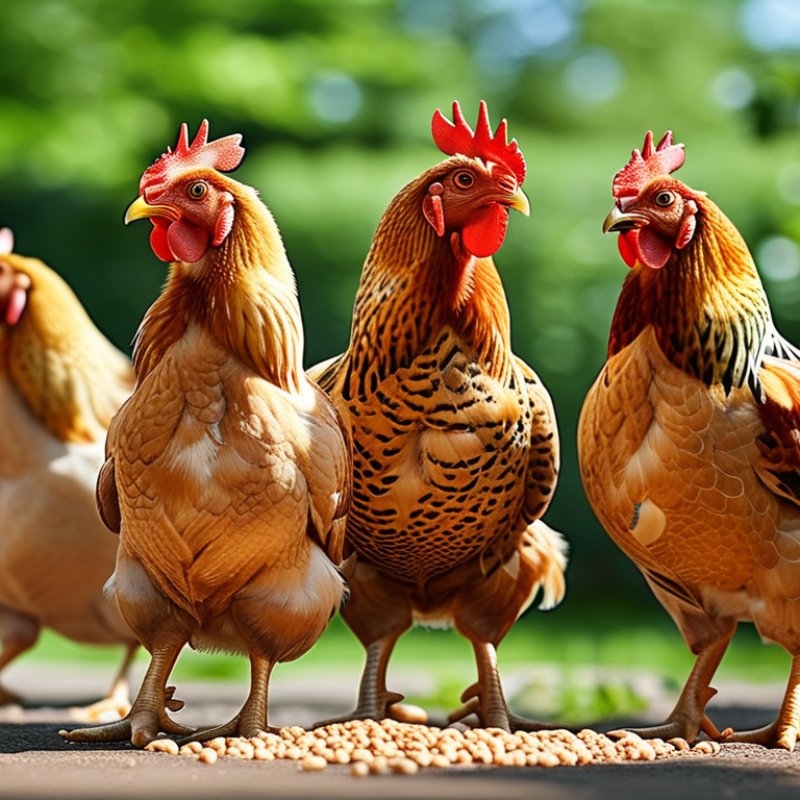
Top 5 Tips for Mixing Protein Supplements for Backyard Chickens?

Choosing the Right Protein Supplements for Backyard Chickens

When selecting protein supplements for backyard chickens, variety is key. Different breeds have unique nutritional needs. A good starting point is to incorporate both plant and animal-based proteins. Insects, worms, and legumes offer diverse amino acids. Consider adding sunflower seeds or peas to their diet. These ingredients not only boost protein intake but also improve feather quality and egg production.

However, not all supplements are created equal. Research the sources of protein carefully. Some may contain fillers or undesirable additives. A high protein content isn't the only factor; digestibility matters too. You might find that your chickens prefer certain supplements over others. Trial and error can lead to the best combination for your flock. Keep observing their health and behavior. Changes can offer clues about their dietary satisfaction and overall well-being.

Understanding the Nutritional Needs of Chickens at Different Life Stages

Understanding the nutritional needs of chickens is essential for optimal health. Chickens' diets change significantly throughout their life stages. For starter chicks, protein is crucial for growth. Research shows that chicks need about 18-20% protein in their diet during this early stage. This helps them develop strong muscles and feathers.

As chickens transition to the grower stage, their protein requirements decrease somewhat. They thrive on a diet with around 16% protein. It’s vital to monitor their diet closely. Too much protein can lead to health issues, such as kidney problems. On the other hand, insufficient protein can stunt their growth.

When chickens reach the laying stage, their needs shift again. Laying hens require about 16-18% protein to produce eggs effectively. They need calcium, too, which is essential for strong eggshells. However, overfeeding protein will not improve egg production and may cause obesity. Balancing these nutrients is a constant challenge for chicken keepers.

Effective Mixing Techniques for Balanced Protein Shake Blends

Mixing protein supplements for backyard chickens can seem daunting at first. However, using effective techniques can streamline the process. Start by selecting a base. Options include grains, legumes, or oilseed meals. Each option offers different nutritional benefits. Experiment with various bases to see what your chickens prefer.

Consider the consistency of your mix. A good blend should be neither too dry nor too wet. You might have to adjust the moisture content depending on the season. For example, a dry mixture may be required during winter months. Chicken palatability is vital, so small adjustments often yield better results.

Don't shy away from trial and error. Some mixtures may flop, and some chickens may turn their beaks up at specific flavors. Keep records of what works best. Observations can inform future blends. Knowing which ingredients boost growth and health will take time. Mixing should be a process of learning and improvement, not perfection. Each batch teaches something new about your chickens’ preferences and nutritional needs.

Monitoring Chickens' Health After Introducing New Supplements

When introducing new protein supplements to backyard chickens, monitoring their health is crucial. Changes in diet can affect these animals significantly. A study showed that a sudden diet shift could lead to digestive upset, which highlights the importance of a gradual transition. Mixing supplements should involve careful observation of the chickens' behavior and physical condition.

Look for signs of distress or discomfort, such as decreased egg production or lethargy. These changes can be subtle but may indicate a problem with the new diet. According to poultry experts, about 20% of chickens may exhibit adverse reactions to new feeds. Keeping a close watch ensures their well-being. It’s also advisable to maintain a balanced ratio of protein sources. Too much protein may lead to health issues like kidney strain.

Vigilance is essential. Keeping notes on how chickens respond to changes can provide useful insights over time. It allows you to adjust their diet based on individual needs. This process encourages a holistic understanding of your flock's health. Seeking guidance from poultry veterinarians can enhance your approach, ensuring your chickens thrive when introduced to new supplements.

Adjusting Supplement Ratios Based on Chicken Activity Levels

When considering the right protein supplement mix for your backyard chickens, it's crucial to adjust the ratios according to their activity levels. Chickens that roam freely or those raised for egg production require more protein than sedentary birds. The general protein requirement can fluctuate, usually hovering between 16% to 20%. Active chickens benefit from the higher end of this scale, as they expend more energy.

Take note of how your chickens behave during the day. If they're pecking around and exploring, they need additional protein. Consider supplementing with meat scraps or insect protein. However, if they spend most of the day resting, reduce the protein content. When mixing supplements, aim for a balanced approach that reflects their needs.

Experimentation might be necessary. You may not always get the mix perfect on the first try. Observe their growth and egg production closely. If they seem lethargic, it might indicate a shortfall of crucial nutrients. Some chickens may not adapt well to sudden changes in their diet. A gradual adjustment often yields better results. Keep a close eye on your flock to determine the ideal protein balance for them.

Top 5 Tips for Mixing Protein Supplements for Backyard Chickens - Adjusting Supplement Ratios Based on Chicken Activity Levels

Chicken Activity Level Protein Supplement Type Recommended Ratio Feeding Frequency
Low Activity Soybean Meal 10% of Total Feed Daily
Moderate Activity Pea Protein 15% of Total Feed Every Other Day
High Activity Fish Meal 20% of Total Feed Daily
Peak Activity Whey Protein 25% of Total Feed 1-2 Times Daily
Resting Corn Gluten Meal 5% of Total Feed 2-3 Days a Week

FAQS

: Why is variety important in protein supplements for chickens?

: Different chicken breeds have unique nutritional needs. Variety ensures they receive essential nutrients.

What types of protein sources should I consider?

Incorporate both plant and animal-based proteins like insects, worms, and legumes.

How can I improve my chickens' egg production?

Adding sunflower seeds or peas can boost protein and enhance egg production.

Are all protein supplements the same?

No, some may contain fillers or additives. Research the sources carefully.

What should I look for in protein supplement digestibility?

High protein content is good, but if chickens can't digest it well, it's not effective.

Can I experiment with different protein mixes?

Yes, trial and error can help you find the best combination for your flock.

How can I ensure a balanced protein shake blend?

Select a base, adjust moisture content, and ensure the mixture isn't too dry or wet.

What if my chickens dislike a specific protein flavor?

Keep trying different mixtures. Some may not be appealing to them at first.

How important is chicken palatability in mixing techniques?

Very important! Adjusting flavors and textures can lead to better acceptance.

What should I do if a mixture flops?

Don’t be discouraged. Record your results and learn from them for future mixes.

Conclusion

When considering how to mix protein supplements for backyard chickens, it's essential to start by choosing the right supplements tailored to their specific nutritional needs based on their life stages. Young chicks, growing pullets, and laying hens each require different protein levels, so understanding these needs is crucial for optimal health and productivity.

Effective mixing techniques will ensure a balanced protein shake blend, enhancing the overall diet of your flock. After introducing new supplements, monitoring the health and behavior of your chickens is vital to assess their response and make necessary adjustments. Additionally, adjusting the supplement ratios according to the activity levels of your chickens can help maintain their energy and overall well-being. By following these guidelines, you can successfully enhance the diet of your backyard chickens through proper protein supplementation.

Mason

Mason

Mason is a seasoned marketing professional with a deep expertise in the company's offerings and a passion for driving brand awareness. With a strong background in digital marketing strategies, he has an innate ability to connect with diverse audiences and effectively communicate product benefits.......