Selenium plays a crucial role in sheep reproduction. Many sheep farmers may overlook its importance. However, understanding its function is vital for any breeding program. What is the role of selenium in sheep reproduction? This essential trace element is key to the health of both ewes and rams.
Selenium has a direct impact on reproductive performance. It influences breeding success and lamb viability. Adequate selenium levels lead to healthier pregnancies. A deficiency can result in complications, such as weak lambs or reproductive failures. In some cases, farmers notice poor conception rates without understanding why.
Research shows that optimal selenium levels improve overall fertility. This includes better estrous cycles and clearer signals for mating. Yet, there can be a fine line. Too much selenium can also cause health issues. Balancing selenium intake is crucial. Consequently, sheep producers must monitor selenium in their flocks carefully. Understanding its role can lead to more productive and sustainable sheep farming.
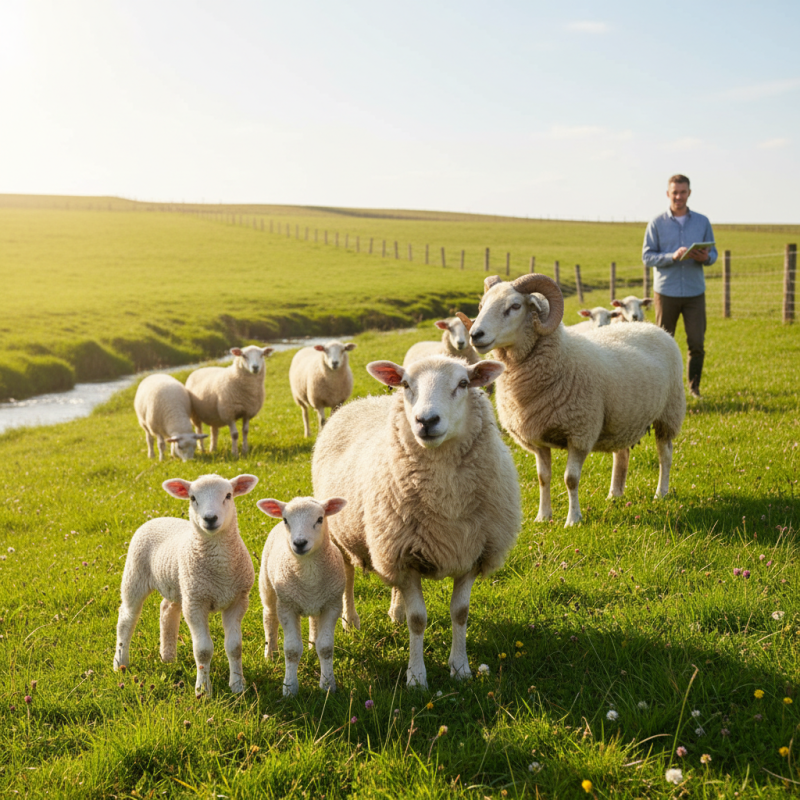
Selenium plays a crucial role in sheep reproduction, impacting fertility and overall reproductive health. This essential mineral assists in the formation of sperm and contributes to proper placenta development. Selenium deficiency can lead to poor reproductive outcomes, including reduced lamb survival rates. For sheep farmers, understanding this importance is vital for enhancing flock productivity.
Tips for farmers include regularly testing soil and forage for selenium levels. Monitoring diet is critical, as supplementation might be necessary in selenium-deficient areas. A proactive approach ensures ewes receive adequate amounts during gestation. Additionally, it’s wise to consult with veterinarians for tailored supplementation plans.
Proper selenium levels not only boost reproductive success but also strengthen the immune system in sheep. This interconnectedness highlights the need for careful management. It's easy to overlook nutritional balance amid daily farm operations. Regular education on mineral requirements can empower farmers to make informed decisions. Lower awareness can negatively impact reproduction and flock health, necessitating a review of existing practices.
Selenium plays a critical role in sheep reproduction, influencing conception rates. This chart illustrates the effect of different selenium levels on the conception rates in sheep, highlighting the importance of maintaining optimal selenium levels for reproductive success.
Selenium plays a crucial role in sheep reproduction. This trace mineral is essential for various biological processes. Sheep suffering from selenium deficiency often face reproductive challenges. These can include poor conception rates and increased fetal losses. A lack of selenium can also lead to weak lambs. Farmers need to recognize the signs of deficiency early.
One of the most common symptoms is white muscle disease in lambs. This condition results from a selenium shortage and affects muscle development. Selenium also supports the immune system, which is vital during reproduction. The consequences of deficiency can be severe and require immediate attention.
Tips for improving selenium levels include testing soil and forage for nutrient content. Supplementing the diet with selenium can help. Yet, it is important to avoid overdosing. Excessive selenium can lead to toxicity, which can harm the flock. Regular veterinary check-ups will provide valuable insights into selenium status in sheep. Monitoring these factors can enhance the overall health and productivity of your herd.
Selenium plays a critical role in sheep reproduction, particularly in influencing estrus and fertility rates. Studies have demonstrated that selenium deficiency can lead to poor reproductive performance. In fact, a report from the Animal Nutrition Association states that selenium supplementation can enhance sheep fertility by up to 15%. This nutrient improves the immune system and reproductive health by mitigating oxidative stress.
Examine how selenium affects the estrous cycle. Adequate selenium levels can promote regular estrus cycles in ewes. Research indicates that selenium-supplemented ewes exhibited a more synchronized estrus, increasing conception rates. This synchronization is vital for effective breeding programs and can contribute to a marked decrease in lambing intervals. However, over-supplementation can lead to toxicity, impacting overall health.
Tips for sheep producers: Monitor selenium levels in your flock. Regular blood tests can identify deficiencies or excesses. Providing selenium-rich forages, like certain grasses, can also help. Adjust diets according to changes in soil selenium content as this can fluctuate significantly. Ensure proper mineral management to balance selenium with other essential nutrients.
Selenium plays a crucial role in sheep reproduction. Deficiencies can lead to reproductive issues, including low fertility rates and poor lamb survival. Studies indicate that selenium deficiency may affect around 30% of sheep populations in certain regions. Therefore, ensuring adequate selenium intake is essential for optimal reproductive health.
There are various methods to supplement selenium in sheep diets. One common approach is through mineral blocks. These blocks typically contain selenium along with other essential minerals. Feeding selenium-enriched grains is another effective strategy. Research shows that this method can improve selenium levels in the diet significantly. Moreover, injectable selenium solutions offer a direct way to address deficiencies. This method quickly raises selenium levels in the bloodstream, promoting better reproductive performance.
Despite these options, challenges remain. Over-supplementation can lead to toxicity, posing risks to the health of the flock. Farmers should routinely test soil and forage selenium levels to tailor supplementation accurately. Balancing selenium intake requires an informed approach, emphasizing both dietary needs and potential risks. Transitioning to a well-rounded management plan appears critical for herd health.
| Aspect | Importance | Recommended Dosage | Supplementation Methods |
|---|---|---|---|
| Selenium Role in Reproduction | Enhances fertility, prevents pregnancy issues | 0.3 to 0.5 mg per kg of feed | Selenium-enriched feeds, injectable selenium |
| Symptoms of Deficiency | Reduced lamb survival, weak immune response | N/A | Regular health check-ups, blood tests |
| Sources of Selenium | Vital for enzyme function and reproductive health | 0.1 to 0.2 mg per sheep daily | Mineral blocks, selenium-rich pastures |
| Impact on Lamb Health | Improves muscle development and immune function | N/A | Ensure ewes receive adequate selenium during gestation |
Selenium plays a crucial role in sheep reproduction, particularly in the health of offspring. Research indicates that adequate selenium levels can significantly impact the immune system of lambs. When ewes receive proper selenium supplementation, their lambs tend to have stronger immune responses. This leads to better survival rates, especially in the early stages of life.
Deficiency in selenium can result in serious health issues for newborns. These issues may include poor growth rates and increased vulnerability to infections. Lambs born to selenium-deficient ewes are at a higher risk of developmental problems. Some farms may overlook selenium supplementation, assuming it is sufficient in their feed. However, soil selenium levels can vary widely, and many localities face deficiencies.
Monitoring selenium levels is essential for sheep farmers. Regular testing can help assess whether ewes are getting adequate amounts. Farmers might miss opportunities to enhance lamb health if they avoid this step. Many producers still question the relevance of micronutrients, but the results speak for themselves: healthy ewes lead to healthy lambs. Ensuring selenium sufficiency requires commitment and attention to detail, but the benefits are undeniable.
: Selenium is essential for fertility and overall reproductive health in sheep. It aids in sperm formation and placenta development.
Deficiency can lead to poor reproductive outcomes and reduced lamb survival rates. Awareness is crucial for farmers.
Regular soil and forage testing is necessary. Monitoring sheep diets may require supplementation in selenium-deficient areas.
Common methods include mineral blocks, selenium-enriched grains, and injectable solutions. Each option has its benefits.
Adequate selenium promotes regular estrus cycles. Supplemented ewes show synchronized estrus, improving conception rates.
Over-supplementation can lead to toxicity, harming the flock's health. Balance in selenium intake is important.
Regular testing helps identify deficiencies or excesses. This knowledge facilitates informed dietary adjustments.
Farmers must balance selenium with other nutrients. Education on mineral requirements can lead to better decision-making.
Certain grasses can help increase selenium intake. Regular adjustments to diets are needed based on soil content.
It’s easy to overlook nutritional balance during busy times. A proactive approach is vital for maintaining reproductive health.
Selenium plays a crucial role in sheep reproduction, significantly impacting various reproductive processes. What is the role of selenium in sheep reproduction? This trace element is vital for maintaining optimal fertility rates and supporting the estrus cycle. Selenium deficiency can lead to decreased reproductive efficiency, poorer fertility rates, and complications during gestation.
To combat selenium deficiency, it is essential for sheep producers to consider effective dietary supplementation strategies. Ensuring that ewes receive adequate selenium not only enhances their reproductive health but also promotes the well-being of their offspring. Healthy levels of selenium contribute to improved offspring vitality and overall health, highlighting its importance in sheep farming practices focused on reproduction and livestock management.

Treo Nutrition