Identifying mineral deficiencies in goats is essential for their health and productivity. Dr. Jane Thompson, a veterinary nutritionist, emphasizes, "Understanding mineral needs is crucial for optimal goat health." Her expertise underlines the importance of addressing these deficiencies.
Many goat owners may overlook subtle signs of mineral deficiencies. Symptoms can vary from poor growth to compromised immune systems. Goats that lack minerals often display unusual behaviors, such as increased aggression or lethargy. Inadequate mineral intake can lead to serious health issues over time.
To effectively tackle this challenge, understanding how to identify mineral deficiencies in goats is vital. Regular health checks and observation of feeding patterns can reveal deficiencies early. A balanced diet is key, but supplementation may be necessary in some cases. Each goat is unique, requiring tailored nutrition plans. Addressing these needs not only supports individual goats but strengthens the entire herd's wellbeing. This proactive approach ensures that your goats thrive, both physically and in productivity.
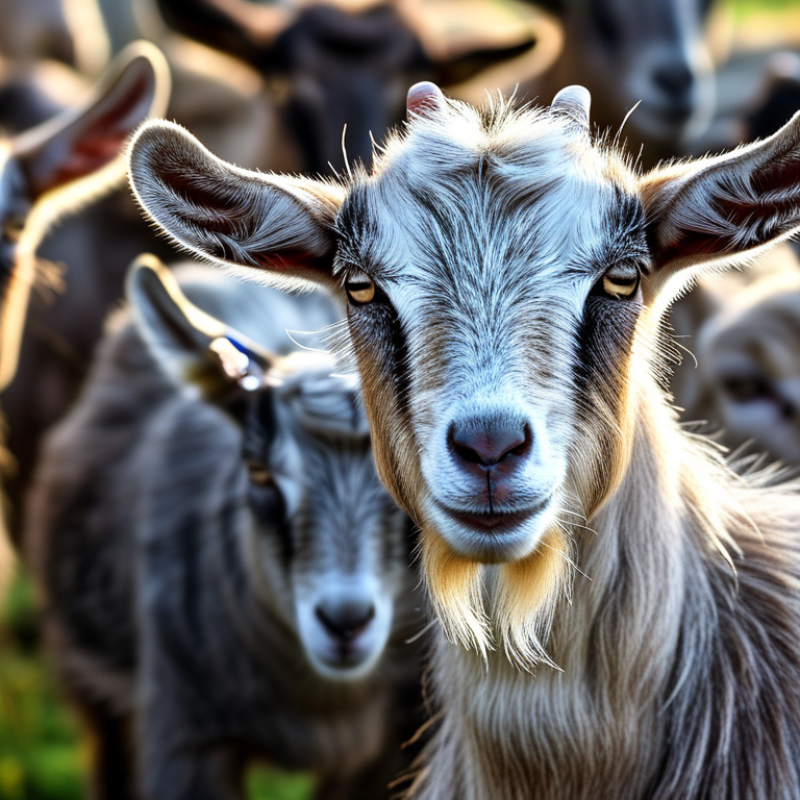
Understanding the Importance of Mineral Nutrition in Goats
Minerals play a vital role in the health and productivity of goats. A balanced mineral nutrition is essential for proper growth, reproduction, and overall well-being. Research indicates that up to 70% of goat health issues can be traced back to nutrient deficiencies. For instance, a shortage of selenium can lead to white muscle disease, which is detrimental to young goats. Additionally, a lack of calcium during lactation can result in milk fever, affecting both the mother and her kids.
Understanding the specific mineral needs of goats is critical. For example, copper is necessary for blood health, yet excess levels can be toxic. Similarly, zinc supports skin health and immune function. Inadequate zinc can lead to skin lesions and increased disease susceptibility. Regular mineral testing of soil and forage can help identify deficiencies and guide supplementation.
Tips:
- Monitor goat behavior and body condition regularly. Unusual lethargy or poor appetite can signal mineral deficiencies.
- Provide a free-choice mineral block, but be cautious of over-supplementation.
- Aim for a balanced diet that adjusts seasonally, as forage quality changes.
- Always consult with a livestock nutritionist when in doubt about mineral requirements.
Common Mineral Deficiencies in Goats and Their Symptoms
Mineral deficiencies in goats can severely impact their health and productivity. Common deficiencies include calcium, phosphorus, and selenium. Research indicates that nearly 40% of goat herds may experience some form of mineral deficiency.
For instance, goats lacking calcium can show signs of weak bones and poor milk production.
Symptoms of phosphorus deficiency often manifest as brittle bones and decreased appetite. According to the University of Kentucky, goats exhibit lethargy and weight loss when phosphorus is inadequate.
Selenium deficiency can lead to muscular dystrophy, characterized by stiffness and difficulty in movement. Studies show that regions with selenium-poor soil can have higher incidences of these deficiencies.
Observing your goats is vital. Changes in behavior and physical condition can signal nutritional issues. Good monitoring can lead to timely interventions.
However, mineral supplementation must be approached carefully. Over-supplementation can also cause health problems, creating a delicate balance.
Assessing soil quality and feed composition regularly can help address potential deficiencies effectively.
Methods for Diagnosing Mineral Deficiencies in Goats
Identifying mineral deficiencies in goats requires keen observation and simple tests. Start by assessing their coats. A dull, rough coat may indicate a lack of essential nutrients. Monitor their behavior too. Lethargy or weakness can signal deficiencies, particularly in minerals like magnesium and selenium.
Regular testing of feed and water sources helps reveal hidden shortages. For instance, observe if goats are excessively chewing on dirt or unusual items. This behavior might suggest a mineral imbalance. Blood tests conducted by a vet provide reliable data on specific mineral levels. It’s a proactive way to address issues early.
Keep a close eye on their diet. Goats have specific needs based on their age and stage of production. For example, pregnant or lactating females have higher mineral requirements. Sometimes, despite providing balanced nutrition, deficiencies can still occur due to poor absorption. Regularly reassessing their dietary needs allows for timely adjustments. Ensuring a consistent supply of quality minerals in their diet is key.
Supplementing Minerals: Best Practices for Goat Health
When it comes to supplementing minerals for goat health, a balanced approach is essential. Goats require a variety of minerals, such as calcium, phosphorus, selenium, and copper, for optimal growth and reproduction. Nutritional imbalances can lead to serious health issues, including poor growth or reproductive failure. Understanding your goats' unique needs is the first step.
Tip: Regularly test your forage and water sources for mineral content. This can help you identify deficiencies early. Monitoring visual signs of issues such as dull coats or lethargy is crucial, but testing provides an accurate picture.
Choosing the right mineral supplement is key. Make sure the supplement matches your goats' specific needs based on their age and production stage. Consider offering loose minerals free-choice to encourage consumption. Remember, over-supplementation can be just as harmful as deficiencies.
Tip: Observe your goats' behavior around mineral stations. If they consistently avoid them, it might signal a lack of interest. Adjust the formulation or placement of minerals accordingly. Always consult with a veterinarian when in doubt about your goats' nutritional requirements. They can provide insights tailored to your herd's health.
Monitoring and Maintaining Mineral Balance in Goat Diets
Monitoring mineral intake in goat diets is crucial for their health. Goats require balanced levels of calcium, phosphorus, magnesium, and trace minerals such as copper and selenium. Research indicates that deficiencies in these minerals can lead to health issues like compromised immune function and reproductive problems. For example, low copper levels often result in anemia, which can yield significant economic losses for goat farmers.
Regularly assessing diet composition is necessary. Professional nutritionists suggest conducting feed analysis at least twice a year. This ensures minerals meet the recommended guidelines. Ideally, the calcium-to-phosphorus ratio should hover around 2:1 to promote healthy bone development. However, approximately 30% of goat operators fail to balance these minerals properly, which raises the risk of deficiencies.
Visual signs of mineral deficiencies can be subtle. Changes in coat quality or reduced activity levels are often observed. Without proper monitoring, these signs may go unnoticed, leading to worsened health. It's vital to create a comprehensive feeding strategy that includes mineral supplements tailored to specific needs. Relying solely on pasture or hay might not suffice, as mineral content varies widely based on soil quality and plant species. Understanding these nuances can improve herd health significantly.
Mineral Deficiencies in Goats
FAQS
: Common deficiencies include calcium, phosphorus, and selenium, impacting health and productivity significantly.
Signs include brittle bones, lethargy, and decreased appetite. Observing these signs is crucial.
Regular observation of behavior and physical condition helps identify potential nutritional issues early.
Proper supplementation supports growth and reproduction, ensuring goats remain healthy and productive.
If goats consistently avoid minerals, consider adjusting the supplement's formulation or its placement.
Testing feed and water facilities at least twice a year is recommended to catch deficiencies.
The ideal ratio is around 2:1 for promoting healthy bone development in goats.
Yes, adding too many minerals can create health problems, just like deficiencies can do.
Subtle signs include changes in coat quality and reduced activity levels. They may be easily missed.
Soil quality affects mineral content in pasture, making it essential to understand when feeding goats.
Conclusion
In the article "How to Identify Mineral Deficiencies in Your Goats?", the importance of mineral nutrition in goats is emphasized as a critical aspect of their overall health. Common mineral deficiencies, such as calcium, phosphorus, and magnesium, can lead to various symptoms, including poor growth, weak bones, and reproductive issues. Understanding how to identify mineral deficiencies in goats involves observing these symptoms and using specific diagnostic methods, such as blood tests and nutritional assessments.
The article further discusses the best practices for supplementing minerals in goat diets, ensuring that they receive the necessary nutrients for optimal health and productivity. Consistent monitoring and maintaining mineral balance are essential for preventing deficiencies and supporting the goats' well-being. By following these guidelines, goat owners can effectively manage their herds' health and nutritional needs.

 Treo Nutrition