When it comes to pasture management, understanding “When is the best time to fertilize pasture grass?” is crucial. Dr. John Smith, a soil and agronomy expert, emphasizes, “Timing is everything in pasture fertilization.” This advice resonates with farmers and landowners aiming for lush, healthy grass. Fertilization at the right moment can significantly enhance grass growth and livestock health.
Many factors influence the ideal timing for fertilization. Seasonal changes and weather conditions play a vital role. Early spring often presents an excellent opportunity. However, this can vary based on geographic location. Observing local climate patterns is essential for effective planning. Improper timing can lead to wasted resources and poor grass conditions. Some might fertilize too early, risking nutrient loss, while others may wait too long, missing optimal growth windows.
It’s also important to consider soil health. Testing soil can provide insights into nutrient needs. The analysis can indicate whether fertilizing is necessary. Many believe following expert recommendations guarantees success. Yet, true mastery comes from understanding unique pasture conditions. Striking a balance between expert advice and personal observation creates the best fertilization strategy.
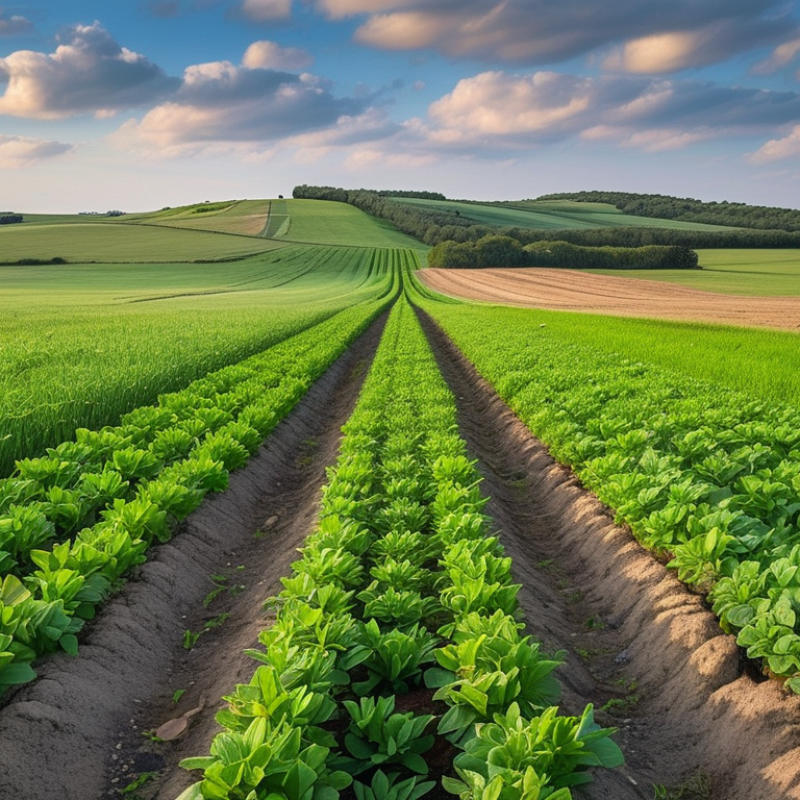
Understanding the growth cycle of pasture grass is essential for effective fertilization. Pasture grass, such as Kentucky bluegrass or fescue, follows a distinct growth pattern influenced by seasonality. In spring, grass experiences rapid growth, fueled by warming soil temperatures and increasing daylight. Data from the USDA suggests that pasture growth can increase by 50% during early spring when temperatures consistently reach 60°F. This is the optimal time for fertilization to support robust early growth.
As the season progresses, grass enters a steady state, typically from late spring to early summer. During this period, nutrient uptake is crucial. Research indicates that pasture grass requires adequate nitrogen for photosynthesis and growth. However, over-fertilization can lead to diminishing returns and environmental issues, creating an imbalance. Soil testing in mid-summer can help assess nutrient levels and refine fertilization strategies.
Fall marks another vital growth period, as grass prepares for dormancy. Fertilizing in early autumn can enhance root development and increase resilience against winter stress. Studies note that applying a high-potassium fertilizer can improve the plant's hardiness. Understanding these cycles allows for thoughtful nutrient management, ensuring that the pasture remains healthy and productive throughout the year.
Understanding the nutritional needs of pasture grass is crucial for effective fertilization. Different grass types have varying requirements for nutrients such as nitrogen, phosphorus, and potassium. For instance, cool-season grasses like Kentucky bluegrass typically thrive with higher nitrogen levels in early spring. Conversely, warm-season grasses like Bermuda grass benefit from increased nitrogen during warmer months. According to the USDA, nitrogen application can enhance growth by up to 30% if timed correctly.
Soil testing is essential for determining specific nutrient needs. A study by the International Plant Nutrition Institute emphasizes that testing soil every three years can reveal deficiencies. This insight allows for targeted fertilization, ensuring the grass receives what it critically lacks. Furthermore, improper fertilization can lead to nutrient runoff, negatively affecting surrounding ecosystems.
Monitoring grass conditions throughout the growing season can also provide clues about nutrient sufficiency. Yellowing leaves may indicate a nitrogen deficiency, while poor root development might suggest a lack of phosphorus. The subtle signs of stress in grass can guide adjustments in fertilizer application. A combination of soil testing, awareness of grass types, and ongoing observation all contribute to healthier pastures with optimized fertilization strategies.
Timing is crucial when it comes to fertilizing pasture grass. Seasonal influences greatly impact the effectiveness of fertilizers. For instance, grass typically grows more vigorously in spring and early summer. According to the USDA, the ideal fertilization window aligns closely with these growth spurts. This is when nutrient uptake is at its peak.
Weather also plays a vital role in determining the right time for fertilization. Soil temperature affects nutrient availability. Research from the Agronomy Journal indicates that grass thrives when soil temperatures reach around 50°F to 70°F. Fertilizing too early, before this temperature is reached, can lead to waste. Moreover, heavy rains can wash away fertilizers, compromising their effectiveness.
It's important to be aware of these environmental factors. Monitoring both seasonal and weather changes can provide insights into optimal fertilization timing. However, this approach isn’t flawless. Pasture conditions can vary greatly from year to year, influenced by unexpected climate patterns. Understanding these variables can lead to more informed decisions and improved pasture health over time.
Soil testing is a vital process for determining the health of pasture grass. It provides insights into nutrient levels, pH balance, and organic matter content. Collecting soil samples requires careful attention. The ideal time for testing is during the spring or fall when plants are not actively growing. Use a clean, dry container for samples. Aim for multiple locations in your pasture to get a representative sample.
Once the samples are collected, send them to a reliable lab for analysis. You'll receive a detailed report that outlines key nutrients like nitrogen, phosphorus, and potassium. This information is crucial for deciding what type of fertilizer to apply. Sometimes, the results may indicate deficiencies you weren’t aware of. Conversely, you may find that certain nutrients are excessive, leading to wasteful spending.
Interpreting the lab results can be tricky. Not all analyses are straightforward, and some may require professional guidance to understand fully. Understanding soil texture and drainage is also essential but often overlooked. Addressing these elements can fine-tune your fertilization schedule, ultimately enhancing pasture productivity. It's a learning process, where trial and error can lead to better results over time.
Understanding when to fertilize pasture grass is crucial for promoting healthy growth. Several factors influence the ideal timing. Soil temperature plays a significant role; grass generally benefits from fertilization when the soil temperature reaches 55°F. This usually occurs in early spring, marking the beginning of the growing season. Observing local weather patterns can also help.
Different fertilization methods vary in effectiveness. Granular fertilizers are often chosen for their ease of use. They can be spread evenly across the pasture. Liquid fertilizers, on the other hand, allow for quick absorption. However, their application requires careful timing to avoid runoff. It's important to factor in rainfall forecasts, as wet conditions may wash away nutrients before the grass can utilize them.
Regular soil testing gives insight into nutrient needs. Too much fertilizer can harm grass and the environment. Landowners should also remember that over-fertilization can lead to poor plant health. Adjusting fertilizer application based on seasonal changes is essential for sustained pasture health. Being mindful of these practices helps ensure optimal growth for pasture grass while promoting sustainability.
| Fertilization Method | Optimal Timing (Season) | Application Rate (lbs/acre) | Notes |
|---|---|---|---|
| Granular Fertilizer | Spring (March - April) | 150 - 200 | Best for initial growth after winter. |
| Liquid Fertilizer | Early Growing Season (May) | 100 - 150 | Quick absorption, good for mid-season boost. |
| Slow-Release Fertilizer | Pre Fall (August) | 200 - 250 | Provides nutrients throughout the fall. |
| Organic Fertilizer | Late Spring (June) | 50 - 100 | Improves soil health but slower results. |
| Soil Test Recommended | Anytime | Variable | Always test soil to tailor fertilization. |
: Early spring is best when soil temperatures reach 55°F, indicating the start of the growing season.
Soil testing provides insights into nutrient levels and pH balance, helping to refine fertilization strategies for better growth.
Over-fertilization can harm grass health and create environmental issues, leading to waste and potential nutrient runoff.
Use a clean, dry container and collect samples from multiple locations in the pasture for accurate representation.
Granular fertilizers are easy to spread, while liquid fertilizers allow quick absorption but need careful timing.
Nutritional needs change throughout the year, and adapting fertilization schedules can enhance pasture productivity.
It can highlight unseen deficiencies or excesses in nutrients, leading to informed fertilization decisions.
Soil texture influences drainage and nutrient retention, which are key for effective fertilization strategies.
Timing of application and rainfall forecasts are crucial to minimize the risk of washing away nutrients.
No, it can be complex, and sometimes professional guidance is needed to understand the analysis fully.
Determining the best time to fertilize pasture grass is crucial for optimal growth and health. Understanding the growth cycle of pasture grass allows farmers to pinpoint when their grass is most receptive to nutrients. Different grass types have specific nutritional needs, which should be considered when planning fertilization. Seasonal variations and weather conditions also play significant roles in determining the right timing; for instance, spring might be ideal for certain species, while others may benefit more from late summer applications.
Effective techniques for soil testing and analysis help assess the current nutrient levels in the soil, guiding fertilization practices. By leveraging these insights, landowners can adopt the most appropriate fertilization methods and application timings that correspond to the grass's growth phase. By asking, "When is the best time to fertilize pasture grass?" and applying the appropriate strategies, pasture health and productivity can be significantly enhanced.

Treo Nutrition